
South Florida’s Top Business Podcast

Fried on Business- Changes in Real Estate Business & Technology in our COVID-19 World

SHARE

Episode 563: 5-06-20

Around the world and back again the changes in Real Estate Business & Technology in our COVID-19 World

Jim and Andreas Senie host Logan Nagel, a professional in Proptech and Media with Propmodo, James Dearsley, Co-Founder of Unissu, a global proptech aggregator and media expert, and returning is Saul Klein, community leader and technology innovator for the real estate industry as we talk about the new world of Commercial Real Estate. What is happening around the world and in your backyard with properties big and small.


Fried on Tech Co-Hosts: 
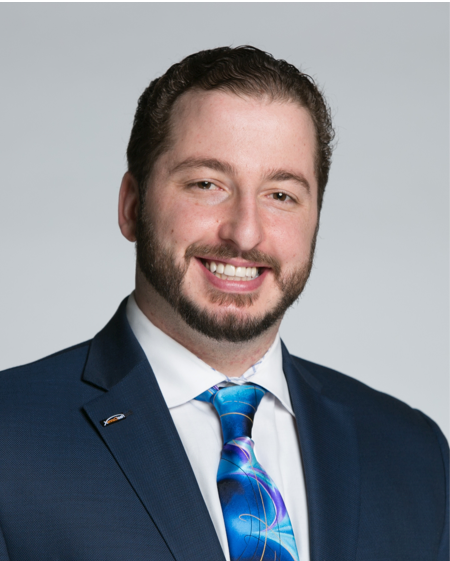
Fried on Tech’s Andreas Senie joins Jim the first Wednesday of every month. They feature commercial real estate professionals, real estate technology owners, and industry associations to help listeners learn more about CRETech and how it is affecting your business. Andreas has over 10 years experience in all aspects of the professional real estate industry. Andreas has served in leading roles in CRE tech solutions, including, MLS marketing platform, Agile CRM, Tenant Rep, and listing service, TenSource, Capital raising platform, RealConnex, and comprehensive integrated SaaS platform, 500apps.

Fried on Tech’s Olivia Ramos is an entrepreneur, founder, and CEO of Deepblocks, an artificial intelligence platform consolidating all the tools and processes needed to analyze any real estate project. She is a graduate of all three Singularity University startup programs, GSP, Incubator, and Accelerator, and was the only woman participant in the DARPA Innovation House program. Olivia holds a Master’s of Architecture from Columbia University, a Master’s of Real Estate Development from the University of Miami, a Bachelor’s in Architecture from the University of Florida, and a degree from Design and Architecture Senior High.

GUESTS: 

Logan Nagel is a professional in PropTech and media with a focus on investment, development, technology, and sustainability. He is Propmodo’s Associate Publisher and was previously the junior member of Tucson, Arizona’s top 100+ unit apartment sales team with Cushman & Wakefield | PICOR.  Before that, Logan worked with Tandem, a Chicago-based mixed-use apartment developer and also worked with J.P. Morgan as a Multi-Family Investment Analyst focusing on LIHTC investments of up to ~$52 million around the country.


James Dearsley is recognised as one of the leading thought leaders on the future of the real estate market. His role as the Founder of TDMB and Co-Founder of Unissu, the global leader of PropTech data, information and resources, means he has an unrivalled perspective on global PropTech trends. As a result, he is a much sought-after speaker on the future of the property industry both in terms of how people and companies in the sector should adapt to facilitate change.
 

Saul Klein is known as the Grandfather of Technology Adoption in the Residential Real Estate Industry…

Saul Klein is generally recognized within the industry, as a technology pioneer and its first Internet evangelist. Over the last 25 years, he introduced the real estate industry to the Internet and email, listings on the WWW, online education and certification, and listing data syndication. He is one of the few visionaries who paved the way for real estate’s transition to technology.

Career Highlights:

• On the leading edge of everything in real estate technology since 1994
• First REALTOR Member of First RIN Team at NAR – 1995
• First Member of REALTOR.com Team at NAR – 1995
• Creator of first Industry Online Communities
• Creator of NAR’s ePRO Technology Certification Program – 2001
• CEO Of Point2 Technologies and creator of Opt Out Syndication – 2008 – 2011
• REALTOR Magazine “25 Most Influential People In Real Estate” – 2003
• Inman 100 Most Influential People – 9 years
• Stefan Swanepoel’s Inaugural Top 200 List
• California Real Estate Broker for 42 years – REALTOR Emeritus
• Broker Owner, Trainer, Educator
• Agency Disclosure and Buyer Broker Pioneer
• San Diego Association of REALTORS President 1993
• CAR Director – 20 Years
• Major Donor – RPAC Presidents Circle/Golden R/Hall of Fame Member
• Currently Executive Editor for Realty Times
• Director of the new, San Diego Multiple Listing Service
• Personally visited over 800 real estate associations and MLSs
• Certified Financial Planner (CFP)

He graduated from Annapolis in 1972. Due to a medical inconvenience, he was honorably discharged after 6 years of commissioned service as a Surface Warfare Officer, assigned to two surface combatants and making one Deployment to the Western Pacific and the South China Sea at the tail end of the War in Vietnam in 1973/74. His medical separation from the Navy for kidney stones was an opportune (and sometimes painful) misfortune that led him down the path to a successful career in a number of different aspects of the real estate and real estate technology industries.


Episode 563: 5-06-20

(To download, right-click and select “Save Link As”.)

Recent Posts

Follow Us

Watch Recent Episode

Bottom line: family office is family and business
keys to working with a #familyoffice

Jim Fried 31 views May 1, 2026 3:02 pm

Family offices have become one of the most influential sources of capital in today’s investment landscape—but their decision-making process often remains misunderstood. In this episode of Fried On Business, Jim Fried breaks down the key issues that drive how family offices evaluate opportunities, structure investments, and ultimately decide where to deploy capital.

Jim explains that family offices think differently than institutional investors. While returns matter, they are rarely the only priority. Capital preservation, long-term stability, and alignment of interests often outweigh aggressive growth strategies. Family offices are typically investing generational wealth, which means their decisions are shaped by a broader perspective that includes legacy, reputation, and continuity.

Throughout the episode, Jim highlights the importance of trust. Relationships play a central role in family office investing. Sponsors who demonstrate transparency, consistency, and credibility over time are far more likely to earn capital than those who simply present strong numbers. Jim discusses how due diligence extends beyond financials to include character, communication style, and the ability to manage adversity.

The conversation also explores governance and control. Family offices often seek clarity on decision-making authority, downside protection, and how risks are shared among partners. Flexible structuring can be a key differentiator, but only when it aligns incentives rather than creating confusion or conflict.

Listeners will learn how to approach family offices more effectively by understanding their priorities. Jim emphasizes that successful capital raising in this space requires patience, preparation, and a relationship-first mindset. It is not about pitching deals—it is about building partnerships.

If you are raising capital, investing alongside family offices, or simply trying to understand how private wealth operates, this episode provides a clear framework for navigating one of the most important capital sources in today’s market.

This episode of Fried on Business is brought to you by our presenting sponsor, Warren Henry Auto Group.

🎙️ New to streaming or looking to level up? Check out StreamYard and get $10 discount! 😍 https://streamyard.com/pal/d/6126418013716480

Family offices have become one of the most influential sources of capital in today’s investment landscape—but their decision-making process often remains misunderstood. In this episode of Fried On Business, Jim Fried breaks down the key issues that drive how family offices evaluate opportunities, structure investments, and ultimately decide where to deploy capital.

Jim explains that family offices think differently than institutional investors. While returns matter, they are rarely the only priority. Capital preservation, long-term stability, and alignment of interests often outweigh aggressive growth strategies. Family offices are typically investing generational wealth, which means their decisions are shaped by a broader perspective that includes legacy, reputation, and continuity.

Throughout the episode, Jim highlights the importance of trust. Relationships play a central role in family office investing. Sponsors who demonstrate transparency, consistency, and credibility over time are far more likely to earn capital than those who simply present strong numbers. Jim discusses how due diligence extends beyond financials to include character, communication style, and the ability to manage adversity.

The conversation also explores governance and control. Family offices often seek clarity on decision-making authority, downside protection, and how risks are shared among partners. Flexible structuring can be a key differentiator, but only when it aligns incentives rather than creating confusion or conflict.

Listeners will learn how to approach family offices more effectively by understanding their priorities. Jim emphasizes that successful capital raising in this space requires patience, preparation, and a relationship-first mindset. It is not about pitching deals—it is about building partnerships.

If you are raising capital, investing alongside family offices, or simply trying to understand how private wealth operates, this episode provides a clear framework for navigating one of the most important capital sources in today’s market.

This episode of Fried on Business is brought to you by our presenting sponsor, Warren Henry Auto Group.

🎙️ New to streaming or looking to level up? Check out StreamYard and get $10 discount! 😍 https://streamyard.com/pal/d/6126418013716480

0 0

YouTube Video VVU4aS1uUXJ0T1VrQmVOeGNhODFzaHV3LnRxNEJNcF9yalVz

The Family Office Playbook: Capital, Control, and Trust

Jim Fried 18 views April 29, 2026 4:29 pm

Zoning has always been one of the most powerful—and most underutilized—tools in real estate investing. In this episode of Fried On Business, Jim Fried sits down with Olivia Ramos, founder of DeepBlocks, to explore how artificial intelligence is transforming the way investors understand and leverage zoning data.

Disclosure: Jim Fried owns stock in DeepBlocks

Olivia explains how DeepBlocks was built to solve a fundamental problem: zoning information is complex, fragmented, and often difficult to interpret at scale. Traditionally, investors relied on manual research, local expertise, and time-consuming analysis to uncover development potential. DeepBlocks changes that by using AI to process large amounts of zoning data quickly, identifying opportunities that might otherwise go unnoticed.

The conversation highlights how technology is shifting the competitive landscape. Investors who can analyze zoning faster and more accurately gain a significant advantage in sourcing deals, evaluating sites, and optimizing land use. Olivia shares how the platform helps users understand what can be built, where density can be increased, and how regulatory constraints impact value.

Jim and Olivia also discuss the broader implications of AI in commercial real estate. As tools like DeepBlocks become more sophisticated, they are not replacing human judgment—they are enhancing it. By providing better information, faster insights, and clearer scenarios, AI allows developers, investors, and planners to make more informed decisions.

Listeners will learn how zoning intelligence can uncover hidden value, reduce risk, and improve deal execution. Olivia also shares her perspective on where the industry is heading and how professionals can adapt to a more data-driven environment.

If you want to understand how technology is reshaping real estate from the ground up—literally—this episode offers a compelling look at the intersection of AI, zoning, and investment strategy.

This episode of Fried on Business is brought to you by our presenting sponsor, Warren Henry Auto Group.


🎙️ New to streaming or looking to level up? Check out StreamYard and get $10 discount! 😍 https://streamyard.com/pal/d/6126418013716480

Zoning has always been one of the most powerful—and most underutilized—tools in real estate investing. In this episode of Fried On Business, Jim Fried sits down with Olivia Ramos, founder of DeepBlocks, to explore how artificial intelligence is transforming the way investors understand and leverage zoning data.

Disclosure: Jim Fried owns stock in DeepBlocks

Olivia explains how DeepBlocks was built to solve a fundamental problem: zoning information is complex, fragmented, and often difficult to interpret at scale. Traditionally, investors relied on manual research, local expertise, and time-consuming analysis to uncover development potential. DeepBlocks changes that by using AI to process large amounts of zoning data quickly, identifying opportunities that might otherwise go unnoticed.

The conversation highlights how technology is shifting the competitive landscape. Investors who can analyze zoning faster and more accurately gain a significant advantage in sourcing deals, evaluating sites, and optimizing land use. Olivia shares how the platform helps users understand what can be built, where density can be increased, and how regulatory constraints impact value.

Jim and Olivia also discuss the broader implications of AI in commercial real estate. As tools like DeepBlocks become more sophisticated, they are not replacing human judgment—they are enhancing it. By providing better information, faster insights, and clearer scenarios, AI allows developers, investors, and planners to make more informed decisions.

Listeners will learn how zoning intelligence can uncover hidden value, reduce risk, and improve deal execution. Olivia also shares her perspective on where the industry is heading and how professionals can adapt to a more data-driven environment.

If you want to understand how technology is reshaping real estate from the ground up—literally—this episode offers a compelling look at the intersection of AI, zoning, and investment strategy.

This episode of Fried on Business is brought to you by our presenting sponsor, Warren Henry Auto Group.


🎙️ New to streaming or looking to level up? Check out StreamYard and get $10 discount! 😍 https://streamyard.com/pal/d/6126418013716480

0 0

YouTube Video VVU4aS1uUXJ0T1VrQmVOeGNhODFzaHV3Lk1LbzNUbjhlX2ZB

From Data to Deals: How AI Is Changing Real Estate Development

Jim Fried 8 views April 22, 2026 4:25 pm

Jim Fried - Why Florida's retail market is outperforming the U.S.

Jim Fried 90 views April 21, 2026 3:14 pm

For years, retail real estate was written off as the weakest sector in commercial real estate. E-commerce growth, changing consumer habits, and shifting tenant demand led many to believe that brick-and-mortar retail was in permanent decline. In this episode of Fried On Business, Jim Fried explains why that narrative has changed—and why retail has suddenly become one of the hottest sectors in today’s market.

Jim breaks down the key drivers behind retail’s resurgence. One of the most important factors is supply. Over the past decade, very little new retail space was developed, which has created a shortage in many markets. At the same time, demand has remained steady or even grown, particularly for well-located, experience-driven retail environments.

The episode also explores how retail has evolved. It is no longer just about selling products—it is about creating experiences. Restaurants, fitness centers, service providers, and entertainment concepts are now critical components of successful retail centers. These tenants bring consistent foot traffic and are less vulnerable to online competition.

Jim discusses how the shift in tenant mix has strengthened the sector. Landlords are more selective, focusing on quality tenants that complement one another and create a destination. This curated approach leads to stronger occupancy, better rent growth, and more resilient assets.

Listeners will also learn why capital is flowing back into retail. Compared to other sectors facing uncertainty, retail offers relative stability when properly managed. Jim explains how investors are reevaluating the space and why disciplined underwriting remains essential.

If you’ve been ignoring retail based on outdated assumptions, this episode offers a fresh perspective on why the sector is thriving—and how strategic thinking is driving its success.

This episode of Fried on Business is brought to you by our presenting sponsor, Warren Henry Auto Group.

🎙️ New to streaming or looking to level up? Check out StreamYard and get $10 discount! 😍 https://streamyard.com/pal/d/6126418013716480

For years, retail real estate was written off as the weakest sector in commercial real estate. E-commerce growth, changing consumer habits, and shifting tenant demand led many to believe that brick-and-mortar retail was in permanent decline. In this episode of Fried On Business, Jim Fried explains why that narrative has changed—and why retail has suddenly become one of the hottest sectors in today’s market.

Jim breaks down the key drivers behind retail’s resurgence. One of the most important factors is supply. Over the past decade, very little new retail space was developed, which has created a shortage in many markets. At the same time, demand has remained steady or even grown, particularly for well-located, experience-driven retail environments.

The episode also explores how retail has evolved. It is no longer just about selling products—it is about creating experiences. Restaurants, fitness centers, service providers, and entertainment concepts are now critical components of successful retail centers. These tenants bring consistent foot traffic and are less vulnerable to online competition.

Jim discusses how the shift in tenant mix has strengthened the sector. Landlords are more selective, focusing on quality tenants that complement one another and create a destination. This curated approach leads to stronger occupancy, better rent growth, and more resilient assets.

Listeners will also learn why capital is flowing back into retail. Compared to other sectors facing uncertainty, retail offers relative stability when properly managed. Jim explains how investors are reevaluating the space and why disciplined underwriting remains essential.

If you’ve been ignoring retail based on outdated assumptions, this episode offers a fresh perspective on why the sector is thriving—and how strategic thinking is driving its success.

This episode of Fried on Business is brought to you by our presenting sponsor, Warren Henry Auto Group.

🎙️ New to streaming or looking to level up? Check out StreamYard and get $10 discount! 😍 https://streamyard.com/pal/d/6126418013716480

0 0

YouTube Video VVU4aS1uUXJ0T1VrQmVOeGNhODFzaHV3LjRSSHM1bXlUdjln

From Dead to Dominant: The Surprising Rise of Retail Real Estate

Jim Fried 11 views April 15, 2026 4:42 pm

Jim Fried - Smart Investors' Playbook: Retail 'Unicorns'
What are mart investors focusing on today?

Jim Fried 126 views April 13, 2026 7:47 pm

No issue is impacting commercial real estate more right now than interest rates. In this episode of Fried On Business, Jim Fried breaks down why elevated borrowing costs have become the defining force reshaping the CRE market—and what investors, developers, and owners need to understand moving forward.

Jim explains how high interest rates affect every layer of the market. Debt is more expensive, valuations are under pressure, refinancing has become significantly more difficult, and many deals that once worked simply no longer pencil. Assets purchased under low-rate assumptions are now facing serious challenges as debt maturities approach and lenders apply tighter underwriting standards.

Throughout the episode, Jim discusses how this environment is slowing transaction volume while simultaneously creating selective opportunity. Sellers anchored to yesterday’s pricing often struggle to meet buyers where the market now sits. At the same time, disciplined investors with liquidity and patience may find opportunities as repricing continues.

Jim also explores how elevated rates are changing behavior. Developers are delaying starts, sponsors are restructuring capital stacks, and borrowers are seeking creative financing solutions to bridge the gap. He explains why the cost of capital now matters more than almost any other underwriting variable and why ignoring rate sensitivity is no longer an option.

Listeners will gain a practical understanding of how to think through this environment strategically. Jim emphasizes that high-rate periods reward discipline, conservative assumptions, and strong relationships with lenders and capital partners. While painful for some, this market is also creating a reset that may produce healthier fundamentals over time.

If you operate in commercial real estate—or simply want to understand why the market feels frozen in some places and stressed in others—this episode offers a clear framework for interpreting the rate-driven reality of today’s CRE landscape.

This episode of Fried on Business is brought to you by our presenting sponsor, Warren Henry Auto Group.

🎙️ New to streaming or looking to level up? Check out StreamYard and get $10 discount! 😍 https://streamyard.com/pal/d/6126418013716480

No issue is impacting commercial real estate more right now than interest rates. In this episode of Fried On Business, Jim Fried breaks down why elevated borrowing costs have become the defining force reshaping the CRE market—and what investors, developers, and owners need to understand moving forward.

Jim explains how high interest rates affect every layer of the market. Debt is more expensive, valuations are under pressure, refinancing has become significantly more difficult, and many deals that once worked simply no longer pencil. Assets purchased under low-rate assumptions are now facing serious challenges as debt maturities approach and lenders apply tighter underwriting standards.

Throughout the episode, Jim discusses how this environment is slowing transaction volume while simultaneously creating selective opportunity. Sellers anchored to yesterday’s pricing often struggle to meet buyers where the market now sits. At the same time, disciplined investors with liquidity and patience may find opportunities as repricing continues.

Jim also explores how elevated rates are changing behavior. Developers are delaying starts, sponsors are restructuring capital stacks, and borrowers are seeking creative financing solutions to bridge the gap. He explains why the cost of capital now matters more than almost any other underwriting variable and why ignoring rate sensitivity is no longer an option.

Listeners will gain a practical understanding of how to think through this environment strategically. Jim emphasizes that high-rate periods reward discipline, conservative assumptions, and strong relationships with lenders and capital partners. While painful for some, this market is also creating a reset that may produce healthier fundamentals over time.

If you operate in commercial real estate—or simply want to understand why the market feels frozen in some places and stressed in others—this episode offers a clear framework for interpreting the rate-driven reality of today’s CRE landscape.

This episode of Fried on Business is brought to you by our presenting sponsor, Warren Henry Auto Group.

🎙️ New to streaming or looking to level up? Check out StreamYard and get $10 discount! 😍 https://streamyard.com/pal/d/6126418013716480

1 0

YouTube Video VVU4aS1uUXJ0T1VrQmVOeGNhODFzaHV3Ljc1VVVfMjFVSU53

The Interest Rate Problem: Why CRE Has Changed

Jim Fried 5 views April 8, 2026 4:37 pm

Jim Fried - From Driving Roads to Data: How Real Estate Evolved
How to cope with what comes next #AI

Jim Fried 123 views April 7, 2026 12:49 pm

In a world filled with emails, texts, and endless notifications, one simple habit still stands out: returning phone calls. In this solo episode of Fried On Business, Jim Fried explains why this small act of responsiveness carries significant weight in business relationships and long-term success.

Jim shares how returning a call is more than just good manners—it’s a signal of professionalism, respect, and reliability. When someone takes the time to reach out, responding promptly communicates that you value the relationship. Over time, that consistency builds trust, and trust is what drives deals, partnerships, and opportunity.

Throughout the episode, Jim reflects on how many professionals underestimate the impact of communication habits. Missed calls often lead to missed opportunities, not because the deal was perfect, but because the relationship was neglected. He explains how responsiveness can differentiate you in competitive environments where technical skills alone are not enough.

Jim also discusses the broader mindset behind this habit. Returning calls is about discipline—doing what you say you will do, following through, and showing up consistently. It’s not about perfection; it’s about reliability. Even a brief response can maintain momentum and keep relationships intact.

Listeners will learn how small, repeatable actions compound over time. A returned call can open doors, resolve misunderstandings, and create connections that lead to future business. Jim emphasizes that in many cases, success is less about grand strategies and more about executing simple fundamentals well.

This episode is a reminder that professionalism is often demonstrated in the smallest details. If you want to stand out, build stronger relationships, and create more opportunity, start with something simple: return the call.

This episode of Fried on Business is brought to you by our presenting sponsor, Warren Henry Auto Group.

🎙️ New to streaming or looking to level up? Check out StreamYard and get $10 discount! 😍 https://streamyard.com/pal/d/6126418013716480

In a world filled with emails, texts, and endless notifications, one simple habit still stands out: returning phone calls. In this solo episode of Fried On Business, Jim Fried explains why this small act of responsiveness carries significant weight in business relationships and long-term success.

Jim shares how returning a call is more than just good manners—it’s a signal of professionalism, respect, and reliability. When someone takes the time to reach out, responding promptly communicates that you value the relationship. Over time, that consistency builds trust, and trust is what drives deals, partnerships, and opportunity.

Throughout the episode, Jim reflects on how many professionals underestimate the impact of communication habits. Missed calls often lead to missed opportunities, not because the deal was perfect, but because the relationship was neglected. He explains how responsiveness can differentiate you in competitive environments where technical skills alone are not enough.

Jim also discusses the broader mindset behind this habit. Returning calls is about discipline—doing what you say you will do, following through, and showing up consistently. It’s not about perfection; it’s about reliability. Even a brief response can maintain momentum and keep relationships intact.

Listeners will learn how small, repeatable actions compound over time. A returned call can open doors, resolve misunderstandings, and create connections that lead to future business. Jim emphasizes that in many cases, success is less about grand strategies and more about executing simple fundamentals well.

This episode is a reminder that professionalism is often demonstrated in the smallest details. If you want to stand out, build stronger relationships, and create more opportunity, start with something simple: return the call.

This episode of Fried on Business is brought to you by our presenting sponsor, Warren Henry Auto Group.

🎙️ New to streaming or looking to level up? Check out StreamYard and get $10 discount! 😍 https://streamyard.com/pal/d/6126418013716480

0 0

YouTube Video VVU4aS1uUXJ0T1VrQmVOeGNhODFzaHV3LmFBdEpfUXJVMVU0

Success Starts with a Call Back

Jim Fried 1 views April 1, 2026 4:29 pm