
Episode 302: 02-05-15
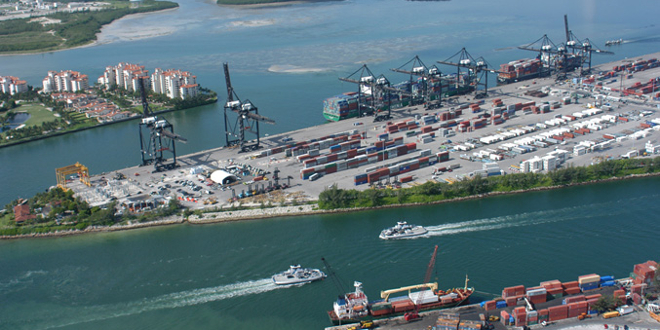
Miami Industrial Market Update
John Dohm, SIOR, CCIM, CFP, is a partner at Infinity Commercial Real Estate. Dohm has been a licensed real estate broker for over 25 years. He is one of less than 875 people in the world to hold both the SIOR (Society of Industrial and Office Realtors) and CCIM (Certified Commercial Institute Member) designations, and the only one to have also been awarded the CFP (Certified Financial Planner) designation as well as all major securities licenses.
John is past president of the CCIM Broward Chapter, on the board of the Miami Chapter and served for several years on the board of the state CCIM organization. He founded the Commercial Industrial Real Estate Brokers Association and is a two-term past president. Dohm is 2015 Chairman of the Board of the Miami Association of Realtors.
We discuss the Miami industrial market.
South Florida Apartment Market Update
Callum Parrott is Executive Managing Director of Mill Creek Residential, with responsibility for development and construction activity in the company’s Southeast region. Prior to this role, Parrott was the Senior Managing Director for Mill Creek’s South Florida Division, responsible for new project development, site acquisition, product design and project approvals.
Jay Jacobson is President of Stiles Residential Group. Jacobson is responsible for managing the day-to-day operations of the division and developing new business opportunities with a primary goal to expand Stiles’ residential presence throughout Florida, North Carolina and beyond.
We discuss the South Florida rental apartment market.
Mobile Marketing Tips
Sandi Abbott is owner of Xpresso Content Café, which helps brands and small businesses CAFFEINATE their sales!
Xpresso Content Café is a digital marketing agency specializing in developing interactive online and onsite marketing campaigns for brands and small business clients.
Sandi will be sharing some tips to mobilize your marketing. It’s a sneak peek of her FREE February 10th workshop at the Microsoft Store in Dadeland Mall.
Episode 302: 02-05-15 (To download, right-click and select “Save Link As”.)
Transcription:
Jim Fried: Wow, do I feel bad for everybody out there in traffic who drive; we’re having a great time here on Fried on Business, and boy do we have a great show for you. So kick back, relax; the person that cut you off, that’s their problem, don’t make it your problem. We’re going to talk about the South Florida apartment market. We’re going to talk about why everything is growing here, in South Florida. That’s going to be our CCIM special. And then we’re going to start to show off with Sandi Abbott, the Queen of constant contact. So, stick with us. Want to welcome back the Marlins as sponsors to the show; D, take us out, bring us back soon. This is going to be great.
[commercial break]
Jim Fried: All right, everybody, you don’t have to be a world class athlete. See, I’m going to pick up the energy now, D; we’ve got to keep on rolling now. You don’t have to be a world class athlete to be treated like one, we’re now on orthopedic surgeon, Dr. Lee Kaplan’s team and UL sports medicine or the official sports medicine providers of Miami Hurricanes and the Miami Marlins diving right in, and they could be your care team too, combining unsurpassed expertise with care to put you first. UHealth Sports Medicine is the region’s only University based sports medicine provider. And by now you know what that means; it means you have access to the very latest treatments off and before they are available anywhere else in South Florida. It’s all geared getting you back in the game, quickly and safely. Schedule your appointment visit http://uhealthsportsmedicine.com today.
[commercial break]
Jim Fried: All right, and if you think I’m hot, wait till you hear Sandi Abbott; she is the coffeecito Queen of constant contact marketing. Sandi, welcome back to the show. Sandi, you’re on.
Sandi Abbott: I’m sorry.
Jim Fried: That means you’re talking to the microphone.
Sandi Abbott: I’m sorry. I was looking at my phone. I have my mobile phone with me, and I was kind of, you know, caught up doing emails and social.
Jim Fried: Well, that’s what everybody’s busy doing. How does somebody break through the clutter on that?
Sandi Abbott: Well, let me tell you. People look at their phones 200 times a day.
Jim Fried: Yea, including when I’m in traffic, in front of me.
Sandi Abbott: And when they’re on the show too.
Jim Fried: You’re so cute.
Sandi Abbott: But no, seriously. Mobile phones are an extension of ourselves. It’s something that many of us are addicted to, and as much as our look is on it, do we really think about how it impacts our business? So that’s what I want to talk to you about today. How mobile marketing is impacting your business.
Jim Fried: You know, I was talking to Johnny, Johnny Social Media 305, who runs my social, and we were talking about modifying the website, so it was better on mobile media, which I think people use a lot more than sitting in front of their desktop, usually; right?
Sandi Abbott: Well, it’s called web responsive. You want your website to navigate differently on a phone, because if it navigates the way it does on a website, people aren’t going to look at it. You don’t have the time to just scroll back and forth, so when you make it web responsive, it acts like a app.
Jim Fried: Yea, I mean I really – you know, I sent to Johnny, I need an app – no, you don’t, you need to – better on the phone. I go: What are you talking about? He goes: Ask Sandi.
Sandi Abbott: Yes. You want to make sure that your website is web responsive, and if you’re working with a top-of-the-line web designer, or even just on WordPress, using the latest themes, a lot of them are web responsive now. And if not, you got to look into that.
Jim Fried: Yea, I am, and Johnny is just being short on me a little bit. But we’re really going to goose up the web page. We’re going to goose up my email marketing. Let’s talk about that in a couple of minutes, ’cause you’re hosting an event soon. Tell me a little bit about the event.
Sandi Abbott: Well it’s all about mobile marketing. It’s how mobile impacts your business, and your marketing. So we’re going to talk about web responsive; we’re going to talk about how to tweak your emails to get the best response. And that’s some scary statistics about mobile marketing. Scary, if you’re not doing it right. And really exciting if you are taking advantage of it, because you can get more business and more traffic just by being mobile-friendly.
Jim Fried: You know, I love being mobile friendly, especially when I’m like on a – like today! When I was at the ULI event, I’m on a boat trip, it’s 10:05, and they all go: Jim, we’ve just got your email! It was great! I felt like a star!, thank you very much, Sandi.
Sandi Abbott: I actually have clients that time their emails sent to when they’re actually having a meeting, so they can say: Look at your phone now, and you can see the email. Rather than telling people: Okay, turn your cell phones off; which they still do it at church. And I do turn my cell phone off at church, but –
Jim Fried: You mean that people, like do their phone when God’s talking to them there?
Sandi Abbott: Actually, you know what? Now I have a mobile app I can use to look at the Bible and everything, but anyways, we’re digressing. The whole thing is that –
Jim Fried: God bless you, Sandi!
Sandi Abbott: I’m telling you, I don’t even use paper anymore. Boy, it’s so sad. But, anyhow, if you are using mobile right, like you’re saying, at a meeting, people can actually access your email and react to it on the spot. So, I have one client that says: Look at your phone. Email’s just came in. Sign up for the next event, or pay for your membership, or donate now; so you could actually coordinate your marketing, making sure that it makes mobile work for you.
Jim Fried: You know, what really makes sense to do that, because it just pops the energy in the room at the meeting. It’s just – pumps me up when people are doing that, ’cause I see that things that I’ve out such effort in are benefiting me.
Sandi Abbott: Well, you said something right before the show started; that is the real reason why I got back to the phone. You told me: I posted something on Facebook, check it out; right? So that’s the other thing. You can send an email –
Jim Fried: Divine video!
Sandi Abbott: Exactly! you can send an email, or you can post something, and tell people: Hey, I just posted something for you guys to look. Look at your phone.
Jim Fried: Everybody look at their Facebook page! The TV today was just absolutely awesome. I should be on TV! Why am I not on TV? Make a note to self – TV! Sandi, keep going.
Sandi Abbott: Okay. So, we’ve talked a little bit about mobile from the point of view of timing. People are looking at your emails and looking at your post differently than before. It’s not just on the desktop in the morning. They are looking at it 24-7, even in traffic, even when they’re behind you, or in front of you.
Jim Fried: Yea, I know. And next to me, which is what really scares me, but one of the good things is CCIM guys were heading over to Naples for meeting last week, and they played the show on Bluetooth, while they were heading to Naples, on like a Friday, when the show’s just on, in the Internet, in the of the cloud, I guess where it was here.
Sandi Abbott: Right.
Sandi Abbott: So, we’ve talked about timing a little bit. And here’s another thing: you want to make sure that what you are posting and sending the email is mobile-friendly. Now you know that social’s already mobile friendly. They are ahead of the game, and Facebook especially is all over mobile. So how can you make your emails mobile-friendly; okay? 50% emails are opened on the phone. So that’s a big impact.
Jim Fried: Oh, yea.
Sandi Abbott: So think about it. When you look at emails, what kind of emails that you see on the phone do you react with, or do you –
Jim Fried: I hate them if I cannot read them on my phone clearly – goodbye! Goodbye! Goodbye! And half the time they don’t get pass the tagline to me.
Sandi Abbott: Well, it used to be, when I step back, years ago, when we started email marketing, you wanted like a 10-point size, because that look aesthetically pleasing. People were looking at it on the desktop, that had gigantic monitors. Now you want to have at least 12. 12, or 14, or a regular type. And then you want to have at least 18 to 24 for, maybe even 36, for a headlines, or some things like that. Keep your copy short, because people don’t have the attention span –
Jim Fried: Is my copy short on the phone? It’s a little long, isn’t it?
Sandi Abbott: We’re going to talk about that.
Jim Fried: Not on this show. We only have a couple of minutes left.
Sandi Abbott: Not on the show. But actually, we’re going to be redoing your template to make it more mobile-friendly; so one of the things I’m going to do is –
Jim Fried: Awesome.
Sandi Abbott: I am going to get rid of the side-bar. We’re going to move things so that we have one column, that makes it easier, ’cause when we look at –
Jim Fried: Okay, but we still got to put people on there, right? Okay, good.
Sandi Abbott: We’re definitely going to have to have –
Jim Fried: I’m proud of our sponsors. They are on that sidebar.
Sandi Abbott: They are actually going to have more spotlight, the way that we’re doing them.
Jim Fried: Oh, excellent. I hope my sponsors are listening to that!
Sandi Abbott: I am totally sensitive to sponsors. They are what makes the world go round. So, we’ll make sure that we treat them right. But we’re going to go to one column; we’re going to increase your point size a little bit, and we’re going to look at the copy, shortening it a little bit. Now, if you are doing sales with mobile, you definitely want to have a strong call to action, and very easy.
Jim Fried: And to be able to buy with your fingers.
Sandi Abbott: Absolutely. You want to think that you’re talking to somebody who has ADD, because, quite frankly, we all have ADD now.
Jim Fried: What are you talking about? What are we talking about next, John?
Sandi Abbott: No, we have a short attention span, because of all the stuff that we get. They say that we have the attention span of a goldfish, which is about 8 seconds.
Jim Fried: Well, that’s why Vine is nine!
Sandi Abbott: Well, there you go!
Jim Fried: All right, then! I don’t use any big video pump anymore. I use them Vine. Once that I do the Vine, we have to do it over and over again, because you know me, I always got that mouth going.
Sandi Abbott: Well, you talk fast, so you probably can get a lot in 9 seconds.
Jim Fried: It’s slow when I get here, but it speeds up when I get that radio thing going on.
Sandi Abbott: So there you go. So, strong call to action.
Jim Fried: That means we have one minute.
Sandi Abbott: Okay.
Jim Fried: You cutie pie, you.
Sandi Abbott: You’re giving me the finger. Well, I didn’t know what that meant.
Jim Fried: It’s usually Terry giving me the finger.
Sandi Abbott: So, big point size to the point, short copy; you’re talking to a goldfish. In 8 seconds you have to get their attention. That’s after they read the subject line. You only have 2 seconds for that, by the way.
Jim Fried: Jesus, it’s a good thing they’ve got a filter on these! Sandi, when are you going to come back and bring more giggles to the show? I love you!
Sandi Abbott: Whenever you want.
Jim Fried: You are so caffeinated, girlfriend. All right, we’re coming back. I want you back as soon as possible, we’ve got to redesign that, whatever it was you said you were going to do. But Sandi, if people want to avail themselves with your services, how do they get in touch with you?
Sandi Abbott: Well, you can reach me at Expressocc.com. It’s X-p-r-e-s-s-O-C-C. And for workshops it’s just e-marketing seminars.com.
Jim Fried: What was that?
Sandi Abbott: emarketingseminars.com
Jim Fried: For you, goldfish, we’re going to give it to you one more time:
Sandi Abbott: emarketingseminars.com.
Jim Fried: Gulp-gulp-gulp; we’ll be right back after this short break. T, it’s all yours. We’re coming back. We’re going to talk Miami real estate and what drives it, with our guests from CCIM. Back after this!
[commercial break]
Jim Fried: You know, they always turn it down when it gets to the rock and the part of this show. You guys, you should see what’s going on in here. We’re having the best time. And I have a great time whenever I go to my friends of war, Henry; they take a great care of me. You know, when you’re looking to buy or lease a car, you want to get every advantage that you can – that’s why you have to check out Warren Henry Land Rover, Range Rover, Infiniti, and Jaguar. They all are exceptional cars; they all come with the Warren Henry advantage. We all know what that means. Complementary repair, key replacement, first service, and a personal assistant that you can call for anything, anytime, for four years. In fact, they’re calling me now! Always the best price, always the best service! Always Warren Henry!
[commercial break 00:16:02]
Jim Fried: All right, everybody, we’ve got a treat. We’ve got John Dohm. He’s a SIOR, CCIM, CFP, LMNOP. He’s a partner at Infinity Commercial Real Estate. John’s been a broker here for 25 years. He grew up down here. I can go through the 3 pages of qualifications he has. Just remember that he is the 2015 chairman of the board of Miami Association of Realtors. John, welcome to the show!
John Dohm: Thank you. It’s a pleasure to be here.
Jim Fried: Hey, we’re glad to have you. And what I really want to understand, you know, we built this is an overview of the industrial market, but I really think maybe what we want to do is talk about what the market driver is; the market’s hot, the market’s strong; there we did the overview. What’s the driver behind it?
John Dohm: Yes, that’s one of my favorite things, just what we doing here, in South Florida, after. We are a little over a hundred years old. You know, Miami was really not much until about 1896, when Henry Flagler brought the railroad done here. 1896 incorporated the city of Miami. That was the year after he had brought the railroad to the New River in Broward County. So, here we are, 120 years later, and we’re really rebuilding a lot of what was started back then. As a result, once we opened this up to people coming down, and we were able to open it up to trade as well. One of the reasons that railroad down, back at the turn of the century, was to trade with Cuba, to trade with South America, and to be able to get ships coming in from China. It was almost a new Silk Route, coming through the Panama Canal that was to be finished in 1913.
Jim Fried: So, it sounds to me like that you’re making a case that Miami is the city of the century.
John Dohm: It really is. It’s one hundred years for Broward County; it’s little over a hundred for Miami, and here we are, rebuilding everything that was started back then. The Panama Canal was being basically rebuilt, with a whole new set of locks that’s not being widened its being expanded. And what we’re doing here, in Miami and Fort Lauderdale at Port Everglades, is to build the channels, so that they can accommodate the new ships. They will be able to come through the canal. They are much deeper; they take a lot more space side to side and, of course, they hold a lot more containers.
Jim Fried: Now, if we’ve got more containers, and more ships going through both of these ports, it sounds to me like Miami is beginning to become the international transshipment and marine central point, the way New York, Singapore, London, Hong Kong, have in the past, and continue so. Sounds to me like you’re saying: It’s Miami’s time.
John Dohm: Yeah, it really is Miami’s time. And what you said is interesting because a lot of people have said: Well, how are we going to compete with places like Freeport, Grand Bahamas; how we can compete even with places like Savannah, that have a lot more warehousing space; they have real coming right in. The difference is, those are isolated places, and the world is not flocking to them to live there. We have a number of things going for us at once. The other thing that we have is the deep water seaports, which are taking in all these goods. By the way, there’s a nice book out coming out, called Ninety Percent of Everything. It talks about how ninety percent of everything in the world is shipped by sea, by ocean carrier.
Jim Fried: Wow, and it also hits up with the railroad distribution. We’ve got that going on too, right now.
John Dohm: We have that going on, and we have two international airports that are being completely rebuilt. We’ve got Miami International, that’s the largest international cargo airport in America, the ninth largest in the world. We’ve got Fort Lauderdale Hollywood Airport that is starting to bring international flights. And Miami, by the way, hit its one hundredth carrier last month. And then, of course, you’ve got the ability to transfer between here and sea. Almost everything comes in by ocean, but it goes up by air, or goes out by Amazon et cetera.
John Dohm: You know, so Amazon, you know, I heard the topic the other day, that industrials, the new retail, and I guess that’s with Amazon’s starting to beat out the corner distribution points. And it now also sounds to me like we also have incredible pressure on job growth through this.
John Dohm: We do. We have all the jobs that will l be used to, that will be serving these industries. And, of course, one of the great things is that we’re starting to see things that we never saw before. We’re starting to see something called ‘reverse logistics’, which is the returned goods. We take for granted when we order something here, that we could just turn around and ship it back. We can put a flat screen TV in a box, and send it back to work came from. If you’re living in South America, you can’t do that. You have to have a central point to send it to, an that central point would most likely be Miami, which is regarded by a lot of people as being the capital of South America. If South America were a country, Miami would be the capital.
Jim Fried: Well, it sounds to me like it’s a perfect place for them, and a great place. Absolutely a great place for all of them.
John Dohm: Yea, it really is. It starts to; you look at what we’re doing. I like to tell people – rebuilding the entrance to America, basically, through Miami. It used to be through New York. But now, what we have is a cultural similarity to the entire hemisphere south of us. We are the closest point of entry for ships coming through the Panama Canal from China, and were also the logical city to do business, almost like Zurich or Singapore. With cities in Miami, if you’re coming from other continents, I mean, with cities in South America, if you’re coming from other continents. So you start to add all this together, we’ve got this cultural mix that’s unlike any other place in the world. We’re almost like Sydney. Like Zurich here. We have so many different cultures. The students in Miami public schools come from hundred sixty countries, speak 58 languages; it’s just extraordinary. And this causes people to feel comfortable moving their businesses.
Jim Fried: John, Frank just called in. And Frankie, are you on the line?
Frank Rodriguez Melo: Yes, I am. I am on the line. Welcome, John Dohm – one of the very best CCIMers and SIORs, and a great supporter. How are you, guys?
John Dohm: Great, thanks.
Jim Fried: Thanks for calling in, Frank. Frank’s the president of the Miami CCIMs, so he’s calling us, giving us all the high five. Hey, Frank! Thanks for having us out at the event.
Frank Rodriguez Melo: Absolutely. I really appreciate it and. You know, we sent out to all of our attendees, all the interviews that occurred, they received them in their emails, and anyone who is actually interested can reach out to us via email, and request them to you. I mean, we have all the links to the shows. Phenomenal, we’re having a great response on that, and the definitely now you have definitely one of our greatest. John knows everything about every single aspect of infrastructure here, in town.
Jim Fried: We’re talking to him now about the infrastructure. So, Frank, stick around if you want; but John, tell me-
Frank Rodriguez Melo: I will. I will.
Jim Fried: Thank you so much, Frank. And chime in if you have some more comments. So, what about infrastructure? Infrastructure around here – I’m just going to just use the dirty word – blows. I mean, everybody in traffic that thinks infrastructure blows, toot your horn right now! Oh, my God! It’s deafening!
John Dohm: It’s almost like we’re rebuilding everything at the same time. We’ve got the 836, 826 going on; we haven’t even started yet that crazy, what we call ‘confusion court’, when you try to go from the Palmetto Expressway to I-95 North, and you feel like you’ve gotten off of it three times before you actually get back on the expressway. All that will be rebuilt. The Don Shula will have exits down South of 120th; we’ll have the grand expressway is going to be a really interesting model that’s elevated. And one of the problems that we have in South Florida – I know you and I were talking that we’re both natives here – if you remember when –
Jim Fried: And we’re restless …
John Dohm: When we built the 95, it really created an inner-city, what we never had one before. Have we actually been able, or had the technology to elevate I 95 back then, it would have been a lot better. Traffic could have flowed under it; we wouldn’t have those problems. So now what we’re doing is rebuilding all the stuff.
Jim Fried: John, we’ve got about 3 minutes left –
John Dohm: Oh, boy.
Jim Fried: Really, boy, you’re rocking the house. Frank, how are we doing? Frank left!
Frank Rodriguez Melo: I’m here! I’m here! I just muted you, guys, for courtesy. How are we doing with what?
Jim Fried: How are we doing on the radio, representing the CCIMs, Frank!
Frank Rodriguez Melo: Oh, no. Listen. We’re absolutely very, very excited to have you on board, and to be working with our group. And all the CCIMs definitely want to come on your show, and our lineup is, you know, I think six months out of displaying.
Jim Fried: Wow. High five, boy! I got to get John! John’s got some great stuff. Keep rolling, John! We’ve got like two minutes left now!
John Dohm: Well, I just have to tell you about the CCIMs. One great thing about the CCIM group is that a lot of people are making deals done in South Florida. It’s almost like you can’t do anything wrong right now. Everything is selling; people are buying from all over the world. The CCIMs are really the people that really do understand the deals.
Jim Fried: Yes, they are highly educated; they work the deals; these men and women are on the streets at all times getting the information people need to make good decisions.
Frank Rodriguez Melo: And we invest ourselves in the deals. It’s a big difference. It’s basically we sell it to ourselves, mentally, so that then we can sell it to our clients, and make a commission.
Jim Fried: Well, John, if people want to get in touch with you, and use your expertise in their businesses with real estate, and other things, how to get ahold of you?
John Dohm: ACIM John at infinity commercial dot net. The CCIM group, Frank, you probably have the best website for that, don’t you?
Frank Rodriguez Melo: Absolutely. It’s: slccim dot com.
John Dohm: And that’s got us all on it.
Jim Fried: Okay, we’ve got one more minute. John, what is your one takeaway on what’s going on here in South Florida knowing that the apartment guys are holding? Hey, how are the apartment guys doing? We’ll be right with you. John?
John Dohm: I would say just be a little patient with the rebuilding of South Florida. It took us a hundred years to wear it out, and we’ll be able to put it back together. I think within the next two or three we’ll have the drenches finished at Port Miami. The one will be started and finished in Port Everglades in 5 years. We’ve got moving the Tri Rail from the Westside of 95 to the Eastside, all aboard Florida coming. This will be great for people. We’ve got the largest technology conference in the eastern United States, coming back again this year for the second time –
Jim Fried: We’ll have them on the show in about a month.
John Dohm: Yes, so we are becoming regarded as an import – export hub, as a great place for education, innovation, for technology, and really a great place to live.
Jim Fried: Well, John, I want to thank you so much for being on the show. Frank, thanks for delivering John, and all these great guests.
Frank Rodriguez Melo: Yep. You can have John probably another 5 times.
Jim Fried: He’s amazing. He’s amazing. We’ll be right back, after this short message. We’re going to talk apartment markets with two of the Titans: Jay Jacobson of Stiles, and Callum Parrott of Mill Creek. We’ll be back after this. Talking apartments! Take it away, D.
[music]
Jim Fried: All right. He does it all the time; he temps it down right before it really gets rocky. But T. sitting there listening to with just headsets on, with a big smile. He’s rocking’ and rollin’. You should be too. ‘Cause, when you’re looking to buy or lease a car, you want to get every advantage that you can. That’s why you have to check out Warren Henry Land Rover, Range Rover, and Infinity Jaguar exceptional cars, and they all come with the Warren Henry advantage. It means complimentary temp repair, key replacement, first service, and you know – it always has that personal assistant, that you can call for anything anytime for four years. Always the best price! Always the best service! Always our friends at Warren Henry!
[commercial]
Jim Fried: You know, I’m a high power executive. Just ask me, and I’ll tell you. And, as a high power executive, I demand the best for my health, and I know that you do, too! And with the UHealth executive physical, that’s what you get. From the moment you schedule your appointment, you can expect unparalleled medical care service, from the personal counselor to guide you through your visit to a customized preventative health care plan. It’s going to keep you feeling your best. For any follow-up care, you have direct access to the University of Miami, with now programs in cardiology, sports medicine, and more trust. Health, to take care of you. I do. It allows you to take care of business. To schedule your executive physical, call 305 243 2738. I’m going to say it again for the Jets fans. I’m going to go slower: 305 243 2738.
[commercial break]
Jim Fried: All right. We’re back. And I’ve been working to set this segment up for a long time. I want to remind everybody go ride DCC, go to ride DCC dot com to fight cancer. It’s this weekend pitching. Let’s beat cancer. And of course, I want to welcome the Miami Marlins back to the show. We’re going to dive right in. I’m a season ticket holder. You should, too. They are going to challenge for the National League crown. My God, it sounds great! Hey, we’re talking about apartments now. Apartments in South Florida are big business. And I’ve got two of the biggest people in the business. Callum Parrott, he’s with Mill Creek. I’ve got Jay Jacobson. He’s with Stiles. Guys, welcome to the show.
Jay Jacobson: Nice to be here, Jim. How you’re doing?
Jim Fried: I’m doing great. Now, Jay, you’re an UF guy, going to the FSU event. I won’t hold that against you. But, let’s start with you. You know, you’ve been in the market for quite some. Time tell me a little bit about what you see coming to the market. You know, people see all kinds of things going up. It seems like there’s no obstacles out there for development. What do you think?
Jay Jacobson: Well, you know, saying that I thank you for having us on.
Jim Fried: Pleasure.
Jay Jacobson: Saying that I’ve been in this business for quite a while is a nice way telling me I’m an old guy.
Jim Fried: That’s true.
Jay Jacobson: You know, there’s plenty of obstacles. Look. There’s, it’s incredibly difficult to find land that’s appropriate for apartment development which is, you know, some people’s a lot different than a land for condo development. The product is completely different, and the obstacles that most municipalities are putting in front of everybody right now are daunting, to say the least. I think we’re pretty much in Dade and Broward County almost out of already appeared, ready-to-go, shovel-ready-sites. Anything that you do, you got to be able to manufacture your sites.
Jim Fried: Now, Callum, what do you think? We talked about land there, but that’s not the only thing that goes into these deals. How about the cost profile of what you’re doing? And tell me a little bit about what component labor plays in that.
Callum Parrott: Hello, Jim, I couldn’t hear what you say there, but I guess you talked about land values.
Jim Fried: Yes, sir. How tough it is to find appropriate land.
Callum Parrott: Sure, sure. You know, construction cost, probably one of our big challenges. Labor, materials, you get 50 – 50 on that. I was going to, shortage of labor with all the business we’re seeing today, and we’re seeing proper taken; which we’re seeing probably in the last year or so, 15 to 20 per cent higher insurance rates. That’s really made it difficult on us. Structure alone; and that’s probably our biggest challenge in making these fields work.
Jim Fried: Guys, I’m going to ask you both the same question this time. What do you think, did the increase in cost; what’s the impact on the average person on the street looking to rent an apartment today? Jay, you start.
Jay Jacobson: Well I think in the last 4 years the average rent increases in South Florida. It’s probably been up I say 7 per cent a year, year-over-year and it’s been fairly consistent. I think maybe it’s 7 to 9 percent in some markets. And, you know, that maybe it’s leveling off a little bit now, but it still hasn’t come down below 4 percent or so. l mean, it’s been a major impact.
Jim Fried: Now, Callum, please, estimate rental rates in a per square foot basis, but the tenants always looks on it on a per pound basis. What’s been the impact of the cost increases to renters? Let’s call it on a perpetuate base, I think they can relate to that.
Callum Parrott: Sure. You know, I think that might be the silver lining, Jim. We’ve seen, you know, left cycle, two dollar rents. Fifty rents were –
Jim Fried: And that’s per square foot, right?
Callum Parrott: Correct.
Jim Fried: Okay.
Callum Parrott: On a chunk rent basis, or the absolute basis we’re talking about, you know, midtown, I’m sorry, mid-rise product, high-rise product, we’re starting in the 2,200 dollars range. You know, that was in the 1,800s last cycle or so, where we’ve seen rents keep up, it’s not surpassed as they were. So that is the silver lining here. How far we go, is the next question. I’m not sure anybody has that answer.
Jim Fried: And now I’m going to go back to Jay J. What are the product types that you are able to deliver in this type of environment? Because, I know Stiles, it builds all over a date in Broward and Palm Beach County. You’re in the urban core; you’re in the suburban core, which I would call like, maybe, a Coral Gables vs. downtown Miami. And you’re out there in the hinterlands, building also. What’s the difference between the product your building now, and what you built the last cycle?
Jay Jacobson: Well, there’re really no difference. I mean, we specialize in, and we exclusively build in urban centers. You know, the hinterland, as you said, we would define that as up-downtown plantation. It’s its own suburban-urban market. But, you know, we’re concentrating on very special, very specific sites: downtown Fort Lauderdale, downtown Coral Gables, you know, the Merrick Park area surrounding Coral Gables. I’m not a player in downtown Miami, ’cause I think it’s, you know, just starting to get a little bit too pricey for our investors. But, you know, we’re very specific. We want urban product; we want to be able to attract that leading edge of the baby boom generation. We’re building units that are a little bit larger than the average market, and we specialize in mid-rise and high-rise products right now.
Jim Fried: And Callum, how are you seeing things, because I knew you guys have built what we’ll call suburban deals in the past; you been able to find and execute on that. What’s the difference between your product that you’re delivering now and which you delivered in the last cycle, which was, maybe, at this point, 10 years ago?
Callum Parrott: Sure. You know, Jim, in the last cycle we were predominantly a garden suburban builder, with a few mid-rise deals. This cycle is complete flip-flop. I wish they were 85 percent, if not 90 percent mid-rise, high-rise, and that’s across the southeast, quite frankly. You know, that includes St Pete, Miami, Atlanta, you know, very few suburban deals in South Florida. You know, it’s East and 95, it’s preferably a mantra. There are some other things getting done in the Orlando market, for instance, maybe the Carolinas, but our focus is really, we’re trying to find those value, those really good deals in those infill markets.
Jim Fried: You know, we’ve heard John from the CCIM talking about how they are improving infrastructure, and that’s going to help people get around. What I’m seeing in the apartment market, and correct me if I’m wrong, is it your building projects where people can live, and they can have great amenities around them, either on the project, or a walk to; and so it seems like it’s your building in the urban environments, you’re creating really wonderful live, and work, and play type of situations. I’m going to reverse it this time. Callum. What do you think?
Callum Parrott: Yes, that’s exactly right. You know, we want all of our communities to be walkable; the higher the walk score the better. Everything we’ve done on mid-rise or high-rise is walkable. You know, in South Florida mass transit is not big as in other major metros, but, for instance, the deals were given out in Dadeland area. People will use that metro station. They will walk a thousand feet to the station. And they like the benefit of having a shopping mall there. Coral Gables, the same way, we’re a block off Miracle Mile there; very walkable. People can park their cars on the weekends, and basically not have to use them until work on Monday. Similar in Dade land train stations.
Jim Fried: Now, Jay, what do you think, because you guys also have a lot of retail tenants that follow you, that makes for you a really good project.
Jay Jacobson: Yea, it does. We’re one of the few companies that cover all asset classes, and we were experts in commercial retail and residential. So, sometimes, a lot of the retail deals, as a mixed use, in-game kind of drive, what kind of residential we build; either on top of it, or next door to it. So we know, we understand what the retailers want. We understand where they want to go, and if we can add a couple of hundred units along with that retail, it’s that much better. I can echo exactly what Callum said. We’re looking for locations, and we’re building on locations that people can walk to. You know, they’re not going to give up their cars; this is still South Florida, and Callum said that the transit system is not the way, you know, that it’s not up to snuff as you get in some other major cities around the country. So people will keep their cars, but they can park them when they get home, and be able to take care of 90 or more percent of their daily business by just walking out your front door. That makes for an incredibly well leased and valuable apartment complex.
Jim Fried: Now, another question: what do you think is the most interesting amenity that you’ve added to one of your projects, because there’s been a lot of new things that have been going in and I know that everybody is trying to compete on the fringe, on the little thrills that you put on. Jay, back to you!
Jay Jacobson: Well, you know, pretty much what everyone else does. The two biggest things that we’re trying in a couple of our buildings, in our high-rise, right off of Las Olas, in downtown Fort Lauderdale, in the parking deck and the parking garage itself, we’ve got a significant number private garages. So we’ll lease you a garage for 300 dollars extra a month, and it’s like having a garage in your single family home. You get your own clicker, your garage door and enough space to park one to two cars. People like that for the security, the safety, and just the ability to keep your car a little bit safer than parking in a field of parking deck. The second is, how do you handle all of the dogs that people bring in. If you make the decision, as an owner operator to allow pets in your building, you know, 60-70 percent of your residents will come with a dog, at least one, sometimes two. So we’ve got dog groomers, dog babysitting rims, dog washing stations, dog parks. One of our high-rises are actually planning a dog pool, so if the folks with dogs wanted to take a swim, they can do it. So we just got to make it year development convenient, and built to the lifestyle of our residents.
Jim Fried: Listen, I know both of you guys are over the fence right now, and I really appreciate you calling in. If you want, we can kick you over into the next segment. If you got to go, let me know. Callum, you got to go?
Callum Parrott: No, I’m good.
Jim Fried: All right. Jay?
Jay Jacobson: I’m good.
Jim Fried: Oh. High-five! We’ll be back after this short break, with more great apartment talk, from two of the top guys in town. T, it’s yours, but make it short.
[music]
Jim Fried: All right, T is rocking’ out, but he did keep it short, ’cause he knows I want to talk about Warren Henry. You know it’s good business to give your customers what they want, and Warren Henry family of auto dealerships, you know, Land Rover, Infinity and Jaguar, they know this and that’s why they always give their customers more. When I leased all my Infinities from them, I knew I was getting the best prices each time, ’cause they guaranteed it. The best price guarantee is part of the package benefits, called the Warren Henry advantage. You get complementary temp repair, key replacement, first service, and you even get personal assistant, that you can call for anything anytime for all year. Sounds like those apartment guys need it. So, if you buy or lease any new, Land Rover, Range Rover, Infinity, or Jaguar – Warren Henry. Even if you buy one of their pre-owned cars, you’ll get the Warren Henry advantage too. Add the exceptional service deliver, and you’ll see why they’ve been in business for over 35 year. Always the best price! Always the best service! Always our friends Warren Henry!
[commercial break]
Jim Fried: All right, we’re back. And we’re having a great time talking apartments with two of the – I’m going to just say the word – Titans, ’cause that’s what these guys are. They’ve been around for a long time. Of the apartment building industry, Callum Parrott, he’s the big cheese over at Mill Creek Residential, and Jay Jacobson, he runs the apartment development group over at Stiles. Hey, guys! Welcome back, and thanks for sticking around.
Callum Parrott: Pleasure.
Jim Fried: All right. So where do you see the next great apartments being built, guys? ‘Cause, we’ve talked about all the usual suspects, but let’s get to the guys here that are listening, and gals, a little red meat. Where is the apartment market development heading next? Okay, Jay, you’re stunned, so you go first.
Jay Jacobson: Stunned. The issue we have in South Florida is you can’t go West anymore. You know, you kind of hit that magic line of the Everglades. So, you know, you’ve been start seeing a lot of infill in the suburban-urban location, you know, plantations, downtown of sunrise. You’re going to see a lot more, you know, in South Miami, South Dade. Everything East, you start seeing old shopping centers being torn down, car dealerships being relocated. And, you know, those sites become either residential or mixed-use sites. You know, outside of South Florida, we’re real bullish on Raleigh, Nashville, Charlotte – is a very, very stable market. And we’re basically following my retail development group up to those three markets; we’re delivering projects up there also.
Jim Fried: Well, that sounds really great. Callum, what do you see is the future for good locations, for development, here in South Florida? ‘Cause it sounds, like Jay says, just look up, ’cause that’s where it’s going.
Callum Parrott: Yea, you know, Jim, I think we’ll continue to prospect in the same location, the urban infill areas. I think we’ll probably push the boundaries within those areas, you know. Miami is probably a great example; it’s not the best example, where we’ve got zones in that part of the city, the greater city of Miami, that we’re not pioneered in the last cycle, that were completely transform this cycle. Fort Lauderdale, same way, we’ve got within this last cycle, in areas that, you know, you wouldn’t walk at night, and today they house 2000 units, and are some of the nicest mid-rise products. You know, maybe if we had known it had not been pioneered completely, it’s probably West Palm. How that market is, I don’t know. You know, the answer is, we will continue to engineer sites, create sites, create opportunities within these urban core markets. Houston 95 closed the walkable amenities.
Jim Fried: Now, I, you know, lived here. You guys developed here when institutional capital will just use the term – redline the market for years and wouldn’t give it a second look, we’ll just say, for whatever reason. And now it seems like Miami is an international hotspot for capital deployment by institutions. And you, guys, are institutional capital deployment vehicles. What is capital telling you, guys, about South Florida. We’ll reverse it again and with Callum.
Callum Parrott: So, it’s more deals, Jim. We have
Jim Fried: I’m trying to tell Jeff to move his fingers.
Callum Parrott: I know, I know. He’s listening, so I’m sure he will. You know, it’s they can’t get enough. All of our partners are very interested in finding the line opportunities in these locations. Everyone has a different interest level, and location interest level. But Netville is still a great place to be. You know, we have a benefit of actually operating these properties. So we have good intel on just how good these markets are, and they’re still great. So, until that changes, I think we’ll keep the redline always and we won’t let redline market nightlights comes on.
Jim Fried: Now, Jay, you know the Stiles models always utilize lot of high net worth investors. What’s their perspective of this market, ’cause with them, it’s their money.
Jay Jacobson: It’s true, you know. The private capital guys are that we’ve invested or invest alongside of this, for the last 40 years; it’s really bullish. I think all of those guys, of course, they are incredibly smart, because they’ve been incredibly successful think that Miami and South Florida in general is really come into its own. It’s becoming an international gateway city, not only attracting the tourist dollars, but attracting corporate investment dollars. It’s still attracting flight capital and it has become, you know, as big as –
Callum Parrott: Jim says he wants you to sign the contract.
Jim Fried: Yes, exactly! Guys, please. Hey, listen. We only really have a minute left, so I kind of want to get one last micro bike from me to you. Jay, what’s a good takeaway for everybody about apartments in South Florida today?
Jay Jacobson: It’s a strong business; it’s incredibly robust. It is a segment of housing that has come of age. It’s 35 to 40 percent of the population in Dade County and Broward County are renters. There’s an incredibly large cohort of Millennials in leading edge of the baby boomers. They are all moving into apartments. It’s a good time to be in business.
Jim Fried: Call? Quick takeaway, cause Jay ate up a lot of our time.
Callum Parrott: He always does. Between you and him, it’s hard to get anything, any word in edgewise.
Jim Fried: We rock, dude!
Callum Parrott: I think that the takeaway on the marketplace is, given the right sponsor, the right location, we are in a very healthy situation in South Florida. And so I think that we’re in a kind of mid-innings here and I think this market got legs.
Jim Fried: Awesome. Awesome. Guys, I need you back in the studio next time, so we don’t have any of the garble in the back, ’cause this is great. You, guys, are terrific. Thanks for coming on the show. Jay Jacobson and Stiles and Callum Parrott of Mill Creek, two great guys and two big movers in the apartment market here, in South Florida.
Callum Parrott: Thank you, Jim.
Jay Jacobson: Thanks Jim. Take care account. Bye.
Jim Fried: My pleasure, guys. Hey! I want to thank all my guests. Today we had Sandi Abbott from Xpresso marketing. We had John Dohm from the CCIMs. We had Callum and Jay. Wow! They were just smoking great, giving away all the good info. Hope you had your pen and your tape recorder going. By the way, if you didn’t have your tape recorder going, come back tomorrow, or the next day, and it will be all up on our website: www.friedonbusiness.com. It’s incredible to me how many hits that thing gets. I must be doing good job. Do you mind doing a good job? I got the thumbs up, ’cause you didn’t know where to push the button. Get to know that, little big D. All right. I want to thank our guests; I want to thank KIND Snacks for being a sponsor. Our other sponsors: South Florida Business and Wealth Magazine, the CCIMs, NFL trainer Terek Maddox – he’s the guy that trains Frank Gore, and me! UHealth, Warren Henry automotive, The NFL Alumni, The Miami Dolphins, and you heard it – the Miami Marlins. They are back. And they are going to challenge for the crown this year. Social Media 305. Lauren’s Kids, the Aztec Group, the Bergstrom Center for Real Estate Studies, and my favorite of all, UHealth – thank you to all our listeners. ‘Cause, without you, I have no show! go to our Facebook page, like our show, see Sandi’s video that I was talking about. And, like our show, tell your friends to join our community; give us your comments, your feedback, tell us who you want to hear from. More Jay? Tell me! At Jim Fried, at Fried on business, on Twitter, Facebook, LinkedIn, YouTube. Our website gets a lot of hits. I’m amazed what’s going on there. If you missed the show, it will be on the website www.friedonbusiness.com. It’s Jim Fried, on Fried on Business. Look for us next week on 8 80 am, Thursday, LIVE! ‘Cause, I’ll be here and I just love doing this! Now, remember, this is not a rehearsal, this is your life. The first who wants to do something finds a way, the other finds an excuse – now go out there and make it happen. Remember! We’re going to have this stuff on the website. You better listen. I’ll see you guys next week.
[music]