
South Florida’s Top Business Podcast

The Mackle Family Evolution

SHARE

The Mackle Family Evolution

Episode 754 | 02.07.24

From Generation to Generation:

The Evolution of the Mackle Family Business

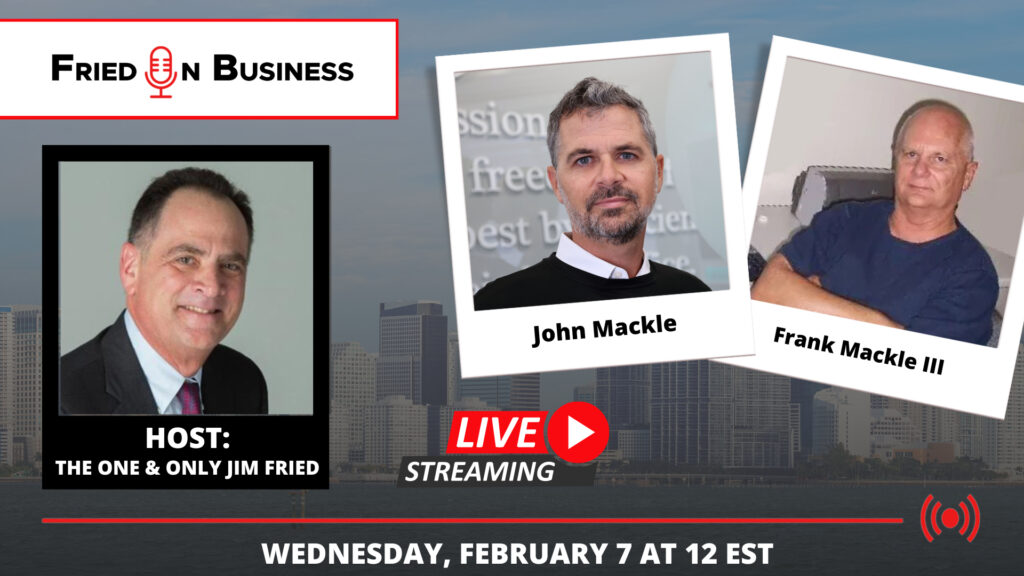
In South Florida the Mackle family is know for building the famous “Mackle Houses” on Key Biscayne. Today they run their firm Worksite – a Professional Employer Organization.

We discuss the family’s history in South Florida, tips to help you run your business more efficiently with the Worksite suite of services and how their family made the successful transition.

AND:

I have been getting lots of calls from folks looking to:

  • pay off high interest rate credit card bills,
  • remodel your homestead or investment property,
  • find money for unexpected expenses or
  • to just have an emergency cash cushion

Call me for HELOCS, REVERSE MORTGAGE LOANS and now may be the time to take out REHAB LOAN on your homestead or investment property to upgrade it.

FLORIDA ONLY!

WE ARE EXPERTS

WE ARE HERE TO HELP

Listen today to learn more about how we are helping others solve their problems!

*************************************

About Our Guests:
John Mackle

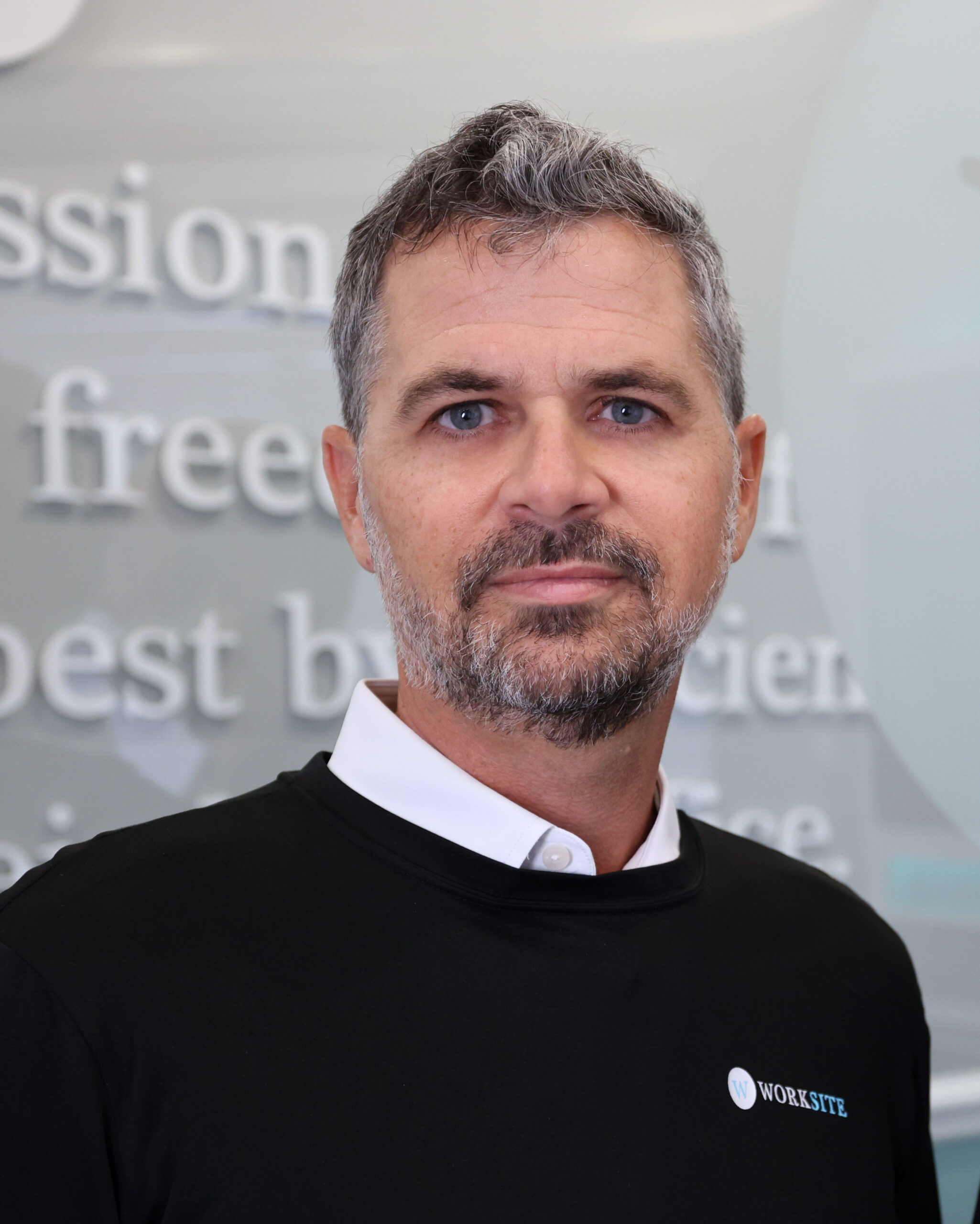
John Mackle is CEO and Co-founder of Worksite, a leading professional employer organization (PEO) celebrating its tenth anniversary. Worksite is based in North Port, Florida, with offices in Miami. Worksite serves the South and Central Florida, Tampa, Orlando, and Jacksonville markets, but it also has clients throughout the country.

Founded in 2014, Worksite’s mission is to provide small- and medium-sized businesses with a simple, fully integrated solution to the increasingly complicated problem of having employees. This solution encompasses payroll, HR, benefits, workers’ compensation, and more.

Prior to Worksite, John served as Executive Vice President of Progressive Employer Management Company (now Coadvantage), one of the 10 largest PEOs in the United States, where he was responsible for managing the company through a restructuring and several large acquisitions.

Prior to PEMCO, John was President and CFO of MGM International, a multinational firm with 11 offices worldwide. MGM International is dedicated to creating and trading carbon credits on environmental exchanges. John led the company through several equity transactions, joint ventures, and business development initiatives, as well as an overall company reorganization.

In 2000 John helped launch LiveOps, a cloud-based virtual call center, which now hosts the largest at-home community of over 20,000 independent agents, answering over 100 MM calls per year. LiveOps has been featured in two New York Times Best-Selling business books, “Drive”​ and “The 4-Hour Workweek,” and has received over 80 mm in capital from Menlo Ventures and Benchmark Capital. In his four years as CFO and VP of Operations, John led the company through a period of explosive growth and set the company on a path to over $200 MM in revenue.

John began his career in business valuation, with PriceWaterhouse and Arthur Andersen.

John earned two undergraduate degrees from Notre Dame, as well as an MBA degree with honors from Vanderbilt University.
 

Frank Mackle III

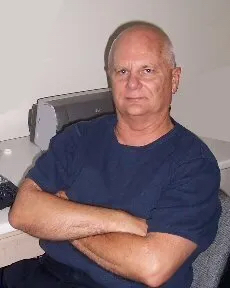
Frank Mackle III is President and CEO of The Mackle Company, a holding company with investments in stocks, bonds, and real estate.

Frank served as President and CEO and Executive Vice President of The Mackle Company from 1986 to 2012. At the time, the Mackle Company was doing business as Avanti Products, the largest distributor of appliance products in the U.S., including refrigerators, freezers, wine coolers, ranges, air conditioners, and laundry products. Its retail partners included Best Buy, Target, and more than 300 other retail outlets.

He also served as President and COO, Executive Vice President, and DIrector of the Deltona Corporation, which was listed on the New York Stock Exchange. The company was founded by the Mackle brothers, including Frank Jr., Robert, and Elliott Mackle. The Deltona Corporation’s primary business was the sale of homes, condominiums, and home-sites in 10 master planned communities in Florida. The company was well-known for the Mackle family standards of quality and customer satisfaction, which continues in its businesses to this day. At the time (1975-1986), the Deltona Corporation had approximately 2,500 employees and a salesforce of more than 1,000 sales representatives in approximately 100 offices worldwide.

The Deltona Corporation sold approximately 8,000 homes and condominiums, developed more than 1,000 miles of roads, expanded nine utility systems, operated nine golf and country clubs, as well as a regional lumber company. The company also directed the design, permitting, and sale of Tampa Palms, a 5,000-acre community.

Additionally, the Deltona Corporation oversaw a massive customer service effort to resolve more than 100 million dollars of purchaser claims, as well as numerous lawsuits and regulatory issues stemming out of the Corps of Engineers 1976 denial of dredging permits on Marco Island. At the time, Frank successfully navigated the company and redirected it from installment land sales to homes and condominiums as the primary revenue and profit source of the company.

Frank also directed the private and public financing of the company, bringing in a major partner who invested more than 30 million dollars into the company, and he later successfully defended the company from a hostile takeover.

In 1985, Frank negotiated the sale of controlling interest in Deltona to Minnesota Power Corp., and he continued to serve as a director of The Deltona Corporation until 1986.

From 1972 to 1975, Frank served as Senior Vice President and Vice President of Construction and Development for The Deltona Corporation, where he was responsible for home construction, condominium construction, road building, earthmoving, shopping center construction, dredge and fill operations, seawall production, among other activities. At the time, the annual volume of work was in excess of 40 million dollars.

Frank earned his Bachelor’s degree with a major in Civil Engineering from The University of Notre Dame.

Frank has an extensive philanthropic background including: Boystown of Florida; Hurricane Andrew Relief Effort; ICARE Bay Point School; Christmas in April – USA (now Rebuilding Together); Christmas in April – Greater Miami, and The Marian Center.


Recent Posts

Follow Us

Watch Recent Episode

Legitimate credibility & contingent behavior pattern lead 2 success
#entrepreneur
#miami
#realestate

Jim Fried 71 views 7 hours ago

Over the years, Jim Fried has collected a set of simple sayings that guide almost every business decision he makes. They aren’t complicated frameworks or buzzwords. They’re short, memorable phrases—easy to repeat, hard to ignore—that cut through noise and help him stay grounded when stakes are high. In this solo episode of Fried On Business, Jim shares many of his favorite business sayings and explains the lessons behind each one.

Jim walks listeners through how these principles developed over decades of entrepreneurship, investing, and leadership. Some focus on patience and long-term thinking. Others emphasize relationships, trust, and consistency. A few challenge the idea that speed equals success. Each saying serves as a mental shortcut—something to lean on when markets are uncertain or decisions feel overwhelming.

Throughout the episode, Jim explains how these simple rules help him avoid common mistakes. Instead of chasing every opportunity, he filters decisions through experience. Instead of reacting emotionally, he slows down and asks what really matters. Instead of trying to control everything, he focuses on what he can influence and lets the rest go. These habits, built over time, have shaped how he negotiates deals, builds partnerships, and leads teams.

Listeners will hear practical examples of how a well-timed phrase can shift perspective and prevent costly errors. Jim’s goal isn’t to preach or prescribe, but to share what has worked consistently in real life. The episode feels like a collection of field notes—earned wisdom passed along to anyone building a business or career.

If you enjoy practical advice without fluff, this episode delivers clarity and calm in a noisy world. Sometimes the best guidance fits into a single sentence.

This episode of Fried on Business is brought to you by our presenting sponsor, Warren Henry Auto Group.

🎙️ New to streaming or looking to level up? Check out StreamYard and get $10 discount! 😍 https://streamyard.com/pal/d/6126418013716480

Over the years, Jim Fried has collected a set of simple sayings that guide almost every business decision he makes. They aren’t complicated frameworks or buzzwords. They’re short, memorable phrases—easy to repeat, hard to ignore—that cut through noise and help him stay grounded when stakes are high. In this solo episode of Fried On Business, Jim shares many of his favorite business sayings and explains the lessons behind each one.

Jim walks listeners through how these principles developed over decades of entrepreneurship, investing, and leadership. Some focus on patience and long-term thinking. Others emphasize relationships, trust, and consistency. A few challenge the idea that speed equals success. Each saying serves as a mental shortcut—something to lean on when markets are uncertain or decisions feel overwhelming.

Throughout the episode, Jim explains how these simple rules help him avoid common mistakes. Instead of chasing every opportunity, he filters decisions through experience. Instead of reacting emotionally, he slows down and asks what really matters. Instead of trying to control everything, he focuses on what he can influence and lets the rest go. These habits, built over time, have shaped how he negotiates deals, builds partnerships, and leads teams.

Listeners will hear practical examples of how a well-timed phrase can shift perspective and prevent costly errors. Jim’s goal isn’t to preach or prescribe, but to share what has worked consistently in real life. The episode feels like a collection of field notes—earned wisdom passed along to anyone building a business or career.

If you enjoy practical advice without fluff, this episode delivers clarity and calm in a noisy world. Sometimes the best guidance fits into a single sentence.

This episode of Fried on Business is brought to you by our presenting sponsor, Warren Henry Auto Group.

🎙️ New to streaming or looking to level up? Check out StreamYard and get $10 discount! 😍 https://streamyard.com/pal/d/6126418013716480

0 0

YouTube Video VVU4aS1uUXJ0T1VrQmVOeGNhODFzaHV3LkF6SWZsMTM2eFBZ

Business Wisdom That Sticks: Jim Fried’s Favorite Sayings for Success

Jim Fried 2 views February 18, 2026 5:28 pm

Gap equity: why family offices are the answer
#realestate #familyoffice #Realestatenews

Jim Fried 76 views February 16, 2026 3:01 pm

Real estate deals rarely fit neatly into a standard template. Markets shift, lenders tighten, costs rise, and suddenly transactions that once worked simply don’t pencil. In this solo episode of Fried On Business, Jim Fried explains why flexibility and creativity have become essential tools for anyone operating in today’s real estate environment.

Jim walks listeners through the idea that great deals aren’t always found—they’re structured. Instead of relying solely on traditional bank loans or rigid financing models, he shares how smart operators use creative approaches to bridge gaps and keep momentum. From alternative capital sources to partnership structures, preferred equity, seller participation, and family office relationships, Jim highlights how adaptability often makes the difference between closing and walking away.

Throughout the episode, Jim emphasizes that creativity doesn’t mean recklessness. It means understanding risk, aligning incentives, and designing solutions that work for all stakeholders. He discusses how experienced sponsors think through capital stacks, negotiate flexible terms, and build trust with investors so they can structure deals that withstand changing conditions. He also shares how communication and transparency become even more critical when partnerships get more complex.

Listeners will learn how to evaluate problems differently, seeing obstacles as design challenges rather than dead ends. Jim explains why rigid thinking kills deals and how a collaborative mindset frequently unlocks value others miss. Whether it’s restructuring debt, bringing in equity partners, or finding unconventional paths to liquidity, the key is staying open and solution-oriented.

This episode is especially valuable for developers, investors, and brokers navigating tighter markets. If you want to keep deals moving when others stall, Jim’s practical framework shows how creativity, discipline, and relationships combine to create opportunity.

This episode of Fried on Business is brought to you by our presenting sponsor, Warren Henry Auto Group.

🎙️ New to streaming or looking to level up? Check out StreamYard and get $10 discount! 😍 https://streamyard.com/pal/d/6126418013716480

Real estate deals rarely fit neatly into a standard template. Markets shift, lenders tighten, costs rise, and suddenly transactions that once worked simply don’t pencil. In this solo episode of Fried On Business, Jim Fried explains why flexibility and creativity have become essential tools for anyone operating in today’s real estate environment.

Jim walks listeners through the idea that great deals aren’t always found—they’re structured. Instead of relying solely on traditional bank loans or rigid financing models, he shares how smart operators use creative approaches to bridge gaps and keep momentum. From alternative capital sources to partnership structures, preferred equity, seller participation, and family office relationships, Jim highlights how adaptability often makes the difference between closing and walking away.

Throughout the episode, Jim emphasizes that creativity doesn’t mean recklessness. It means understanding risk, aligning incentives, and designing solutions that work for all stakeholders. He discusses how experienced sponsors think through capital stacks, negotiate flexible terms, and build trust with investors so they can structure deals that withstand changing conditions. He also shares how communication and transparency become even more critical when partnerships get more complex.

Listeners will learn how to evaluate problems differently, seeing obstacles as design challenges rather than dead ends. Jim explains why rigid thinking kills deals and how a collaborative mindset frequently unlocks value others miss. Whether it’s restructuring debt, bringing in equity partners, or finding unconventional paths to liquidity, the key is staying open and solution-oriented.

This episode is especially valuable for developers, investors, and brokers navigating tighter markets. If you want to keep deals moving when others stall, Jim’s practical framework shows how creativity, discipline, and relationships combine to create opportunity.

This episode of Fried on Business is brought to you by our presenting sponsor, Warren Henry Auto Group.

🎙️ New to streaming or looking to level up? Check out StreamYard and get $10 discount! 😍 https://streamyard.com/pal/d/6126418013716480

0 0

YouTube Video VVU4aS1uUXJ0T1VrQmVOeGNhODFzaHV3LmhJQW9ONlRJamxB

Creative Real Estate: Jim Fried on Flexible Solutions That Get Deals Done

Jim Fried 28 views February 11, 2026 5:30 pm

Retail real estate has changed—but it’s far from dead. In fact, according to retail expert Rod Castan, the sector is stronger and smarter than ever when approached strategically. In this episode of Fried On Business, Jim Fried sits down with Rod to break down what’s really happening in today’s retail market and why experience, not just square footage, now drives performance.

Rod explains how the old model of filling space with any tenant willing to sign a lease no longer works. Today’s successful retail centers are curated. Landlords must think like operators, not just owners—focusing on tenant mix, customer flow, and creating destinations that give people a reason to visit in person rather than shop online. Restaurants, fitness concepts, service businesses, and experiential retailers are now anchors just as much as traditional stores.

The conversation dives into how e-commerce didn’t kill retail—it forced it to evolve. Rod shares how omnichannel brands use physical space to build relationships and how brick-and-mortar locations increasingly function as marketing platforms, fulfillment hubs, and community gathering spaces. Jim and Rod also discuss the importance of understanding demographics, local demand, and foot traffic patterns when underwriting deals.

Listeners will learn how thoughtful leasing strategies, flexible deal structures, and long-term partnerships with tenants create resilience through market cycles. Rod highlights why landlords who invest in placemaking and customer experience consistently outperform those focused solely on rent per square foot.

Whether you’re an investor, developer, broker, or business owner, this episode provides a grounded look at how retail real estate is adapting—and why the right strategy can still generate strong, durable returns.

This episode of Fried on Business is brought to you by our presenting sponsor, Warren Henry Auto Group.

Retail real estate has changed—but it’s far from dead. In fact, according to retail expert Rod Castan, the sector is stronger and smarter than ever when approached strategically. In this episode of Fried On Business, Jim Fried sits down with Rod to break down what’s really happening in today’s retail market and why experience, not just square footage, now drives performance.

Rod explains how the old model of filling space with any tenant willing to sign a lease no longer works. Today’s successful retail centers are curated. Landlords must think like operators, not just owners—focusing on tenant mix, customer flow, and creating destinations that give people a reason to visit in person rather than shop online. Restaurants, fitness concepts, service businesses, and experiential retailers are now anchors just as much as traditional stores.

The conversation dives into how e-commerce didn’t kill retail—it forced it to evolve. Rod shares how omnichannel brands use physical space to build relationships and how brick-and-mortar locations increasingly function as marketing platforms, fulfillment hubs, and community gathering spaces. Jim and Rod also discuss the importance of understanding demographics, local demand, and foot traffic patterns when underwriting deals.

Listeners will learn how thoughtful leasing strategies, flexible deal structures, and long-term partnerships with tenants create resilience through market cycles. Rod highlights why landlords who invest in placemaking and customer experience consistently outperform those focused solely on rent per square foot.

Whether you’re an investor, developer, broker, or business owner, this episode provides a grounded look at how retail real estate is adapting—and why the right strategy can still generate strong, durable returns.

This episode of Fried on Business is brought to you by our presenting sponsor, Warren Henry Auto Group.

5 0

YouTube Video VVU4aS1uUXJ0T1VrQmVOeGNhODFzaHV3LkNZeTJ0QkNqX3dj

The New Retail Playbook: Strategy, Tenants, and Traffic with Rod Castan

Jim Fried 38 views February 5, 2026 5:36 am

Capital stacks rarely come together perfectly. Between senior debt, mezzanine financing, and sponsor equity, there is often a gap that can stall or kill otherwise strong deals. In this episode of Fried On Business, Jim Fried breaks down how family office equity is increasingly being used to solve that problem.

Jim explains what a capital stack really is, why gaps form in today’s market, and how rising interest rates, tighter lending standards, and conservative underwriting have changed deal structures. He walks listeners through where family offices fit, how their expectations differ from institutional capital, and why their flexibility can be the difference between closing and walking away.

The episode covers how family offices evaluate risk, what they look for in sponsors, how they approach control and governance, and why alignment matters more than headline returns. Jim also discusses common mistakes developers make when pitching family offices and how to structure conversations around downside protection, transparency, and long-term relationships.

Listeners will learn when family office equity makes sense, how it compares to mezzanine debt or preferred equity, and how to avoid creating future conflicts inside the partnership. Jim shares practical guidance on sizing the gap, modeling dilution, and maintaining control while still attracting meaningful capital.

This episode is especially valuable for developers, operators, investors, and anyone navigating today’s tougher financing environment. As traditional capital becomes more selective, understanding how to work with family offices is no longer optional—it’s strategic.

If you’re structuring deals, raising capital, or facing funding shortfalls, this episode provides a clear, real-world framework for using family office equity intelligently and responsibly.

This episode of Fried on Business is brought to you by our presenting sponsor, Warren Henry Auto Group.

🎙️ New to streaming or looking to level up? Check out StreamYard and get $10 discount! 😍 https://streamyard.com/pal/d/6126418013716480

Capital stacks rarely come together perfectly. Between senior debt, mezzanine financing, and sponsor equity, there is often a gap that can stall or kill otherwise strong deals. In this episode of Fried On Business, Jim Fried breaks down how family office equity is increasingly being used to solve that problem.

Jim explains what a capital stack really is, why gaps form in today’s market, and how rising interest rates, tighter lending standards, and conservative underwriting have changed deal structures. He walks listeners through where family offices fit, how their expectations differ from institutional capital, and why their flexibility can be the difference between closing and walking away.

The episode covers how family offices evaluate risk, what they look for in sponsors, how they approach control and governance, and why alignment matters more than headline returns. Jim also discusses common mistakes developers make when pitching family offices and how to structure conversations around downside protection, transparency, and long-term relationships.

Listeners will learn when family office equity makes sense, how it compares to mezzanine debt or preferred equity, and how to avoid creating future conflicts inside the partnership. Jim shares practical guidance on sizing the gap, modeling dilution, and maintaining control while still attracting meaningful capital.

This episode is especially valuable for developers, operators, investors, and anyone navigating today’s tougher financing environment. As traditional capital becomes more selective, understanding how to work with family offices is no longer optional—it’s strategic.

If you’re structuring deals, raising capital, or facing funding shortfalls, this episode provides a clear, real-world framework for using family office equity intelligently and responsibly.

This episode of Fried on Business is brought to you by our presenting sponsor, Warren Henry Auto Group.

🎙️ New to streaming or looking to level up? Check out StreamYard and get $10 discount! 😍 https://streamyard.com/pal/d/6126418013716480

0 0

YouTube Video VVU4aS1uUXJ0T1VrQmVOeGNhODFzaHV3LnIwaXVfVkx0Zncw

Capital Stack Problems? How Family Offices Step In

Jim Fried 4 views January 21, 2026 8:57 pm

Success in business is rarely about what you know alone—it’s about who you know, how you show up, and how consistently you build trust. In this episode of Fried On Business, I sit down with Jeffrey Meshel, founder of Candor Capital Partners, master networker, and author of four books, to explore how relationships become real assets when cultivated intentionally.

Jeffrey shares how networking shaped every stage of his career—from sourcing opportunities to building credibility in competitive rooms. We talk about why most people misunderstand networking, focusing on transactions instead of long-term connection, and how that mindset limits growth. Jeffrey explains his personal framework for building authentic relationships at scale without losing sincerity or burning bridges.

We also discuss how his experience as an author sharpened his thinking on influence, communication, and positioning. Jeffrey walks through how writing books forced him to clarify his ideas, define his principles, and articulate what separates shallow contact from meaningful connection. He explains why generosity, consistency, and follow-through quietly compound over time.

Listeners will learn how disciplined networking creates optionality—new partnerships, capital access, mentorship, and credibility that money alone can’t buy. Jeffrey shares stories from his career that highlight how trust accelerates deals, rescues stalled negotiations, and opens doors that formal credentials never could.

This episode is practical, candid, and immediately useful for entrepreneurs, investors, professionals, and anyone who wants to expand opportunity without compromising integrity. Whether you’re early in your career or building at scale, Jeffrey’s approach reframes networking from a chore into a long-term strategy.

If you believe relationships shape outcomes, this conversation will sharpen how you build yours.

This episode of Fried on Business is brought to you by our presenting sponsor, Warren Henry Auto Group.

🎙️ New to streaming or looking to level up? Check out StreamYard and get $10 discount! 😍 https://streamyard.com/pal/d/6126418013716480

Success in business is rarely about what you know alone—it’s about who you know, how you show up, and how consistently you build trust. In this episode of Fried On Business, I sit down with Jeffrey Meshel, founder of Candor Capital Partners, master networker, and author of four books, to explore how relationships become real assets when cultivated intentionally.

Jeffrey shares how networking shaped every stage of his career—from sourcing opportunities to building credibility in competitive rooms. We talk about why most people misunderstand networking, focusing on transactions instead of long-term connection, and how that mindset limits growth. Jeffrey explains his personal framework for building authentic relationships at scale without losing sincerity or burning bridges.

We also discuss how his experience as an author sharpened his thinking on influence, communication, and positioning. Jeffrey walks through how writing books forced him to clarify his ideas, define his principles, and articulate what separates shallow contact from meaningful connection. He explains why generosity, consistency, and follow-through quietly compound over time.

Listeners will learn how disciplined networking creates optionality—new partnerships, capital access, mentorship, and credibility that money alone can’t buy. Jeffrey shares stories from his career that highlight how trust accelerates deals, rescues stalled negotiations, and opens doors that formal credentials never could.

This episode is practical, candid, and immediately useful for entrepreneurs, investors, professionals, and anyone who wants to expand opportunity without compromising integrity. Whether you’re early in your career or building at scale, Jeffrey’s approach reframes networking from a chore into a long-term strategy.

If you believe relationships shape outcomes, this conversation will sharpen how you build yours.

This episode of Fried on Business is brought to you by our presenting sponsor, Warren Henry Auto Group.

🎙️ New to streaming or looking to level up? Check out StreamYard and get $10 discount! 😍 https://streamyard.com/pal/d/6126418013716480

0 0

YouTube Video VVU4aS1uUXJ0T1VrQmVOeGNhODFzaHV3LmxNRkNGMFZOMVpn

Relationships Are the Real Currency — Jeffrey Meshel Explains Why

Jim Fried 9 views January 15, 2026 5:33 am

Personal branding isn’t about logos, social media tricks, or chasing attention—it’s about clarity and direction. In this solo episode of Fried On Business, Jim Fried asks a simple but powerful question that frames the entire conversation: Who are you in 2026? Jim challenges listeners to stop drifting through their careers and start intentionally designing the identity they want others to experience.

Drawing directly from his own work with professionals, entrepreneurs, and leaders, Jim explains why most people struggle with personal branding. They define themselves by where they’ve been instead of where they’re going. In this episode, Jim walks through how reputation is built over time through consistent decisions, behavior, and communication—not slogans or self-promotion.

Jim breaks down how to audit your current personal brand honestly, identify the gaps between intention and perception, and decide what you want to be known for over the next several years. He discusses why discomfort is often a signal of growth, how avoiding clarity creates stagnation, and why waiting for permission to evolve is one of the biggest career mistakes people make.

Listeners will learn how personal branding applies across roles and industries—from executives and founders to professionals considering reinvention. Jim emphasizes that this process isn’t about becoming someone you’re not; it’s about aligning your actions with the future version of yourself you’re already moving toward.

This episode is a practical reset for anyone thinking about their next chapter. If you don’t define who you are becoming, the world will do it for you. Jim’s goal is to help listeners move into 2026 with intention, confidence, and a personal brand that actually works.

This episode of Fried on Business is brought to you by our presenting sponsor, Warren Henry Auto Group.

🎙️ New to streaming or looking to level up? Check out StreamYard and get $10 discount! 😍 https://streamyard.com/pal/d/6126418013716480

Personal branding isn’t about logos, social media tricks, or chasing attention—it’s about clarity and direction. In this solo episode of Fried On Business, Jim Fried asks a simple but powerful question that frames the entire conversation: Who are you in 2026? Jim challenges listeners to stop drifting through their careers and start intentionally designing the identity they want others to experience.

Drawing directly from his own work with professionals, entrepreneurs, and leaders, Jim explains why most people struggle with personal branding. They define themselves by where they’ve been instead of where they’re going. In this episode, Jim walks through how reputation is built over time through consistent decisions, behavior, and communication—not slogans or self-promotion.

Jim breaks down how to audit your current personal brand honestly, identify the gaps between intention and perception, and decide what you want to be known for over the next several years. He discusses why discomfort is often a signal of growth, how avoiding clarity creates stagnation, and why waiting for permission to evolve is one of the biggest career mistakes people make.

Listeners will learn how personal branding applies across roles and industries—from executives and founders to professionals considering reinvention. Jim emphasizes that this process isn’t about becoming someone you’re not; it’s about aligning your actions with the future version of yourself you’re already moving toward.

This episode is a practical reset for anyone thinking about their next chapter. If you don’t define who you are becoming, the world will do it for you. Jim’s goal is to help listeners move into 2026 with intention, confidence, and a personal brand that actually works.

This episode of Fried on Business is brought to you by our presenting sponsor, Warren Henry Auto Group.

🎙️ New to streaming or looking to level up? Check out StreamYard and get $10 discount! 😍 https://streamyard.com/pal/d/6126418013716480

1 0

YouTube Video VVU4aS1uUXJ0T1VrQmVOeGNhODFzaHV3Lk5SUTNZam1IM1Zj

Who Are You in 2026? Jim Fried on Personal Branding That Actually Works

Jim Fried 12 views January 8, 2026 12:37 am

Wynwood didn’t become a global destination by accident—it was built through vision, coordination, and long-term commitment. In this episode of Fried On Business, I sit down with David Lombardi, Chairman of the Wynwood Business Improvement District and founder of Lombardi Properties, to unpack how one of Miami’s most recognizable neighborhoods was intentionally shaped.

David shares the behind-the-scenes reality of building Wynwood: the early risks, the role of private investment, and the importance of public-private collaboration. We discuss how the Business Improvement District model helps maintain safety, cleanliness, infrastructure, and brand identity—while allowing creativity and culture to thrive. David explains why governance matters just as much as design and why successful districts require constant stewardship.

We also explore the evolution of Wynwood from an industrial area into a mixed-use hub for art, dining, offices, and experiential retail. David breaks down the balance between growth and authenticity, how zoning and land use decisions influence outcomes, and what developers must consider when working in culturally sensitive neighborhoods.

Listeners will gain insight into how Lombardi Properties approaches development with a long-term lens—focusing not just on buildings, but on creating places where businesses, residents, and visitors coexist. David also shares lessons for investors and city leaders on managing rapid success without losing the character that made a neighborhood special in the first place.

Whether you’re a developer, investor, urban planner, or simply fascinated by Wynwood’s rise, this episode offers a practical look at how thoughtful leadership and structure can turn vision into reality.

This episode of Fried on Business is brought to you by our presenting sponsor, Warren Henry Auto Group.

🎙️ New to streaming or looking to level up? Check out StreamYard and get $10 discount! 😍 https://streamyard.com/pal/d/6126418013716480

Wynwood didn’t become a global destination by accident—it was built through vision, coordination, and long-term commitment. In this episode of Fried On Business, I sit down with David Lombardi, Chairman of the Wynwood Business Improvement District and founder of Lombardi Properties, to unpack how one of Miami’s most recognizable neighborhoods was intentionally shaped.

David shares the behind-the-scenes reality of building Wynwood: the early risks, the role of private investment, and the importance of public-private collaboration. We discuss how the Business Improvement District model helps maintain safety, cleanliness, infrastructure, and brand identity—while allowing creativity and culture to thrive. David explains why governance matters just as much as design and why successful districts require constant stewardship.

We also explore the evolution of Wynwood from an industrial area into a mixed-use hub for art, dining, offices, and experiential retail. David breaks down the balance between growth and authenticity, how zoning and land use decisions influence outcomes, and what developers must consider when working in culturally sensitive neighborhoods.

Listeners will gain insight into how Lombardi Properties approaches development with a long-term lens—focusing not just on buildings, but on creating places where businesses, residents, and visitors coexist. David also shares lessons for investors and city leaders on managing rapid success without losing the character that made a neighborhood special in the first place.

Whether you’re a developer, investor, urban planner, or simply fascinated by Wynwood’s rise, this episode offers a practical look at how thoughtful leadership and structure can turn vision into reality.

This episode of Fried on Business is brought to you by our presenting sponsor, Warren Henry Auto Group.

🎙️ New to streaming or looking to level up? Check out StreamYard and get $10 discount! 😍 https://streamyard.com/pal/d/6126418013716480

1 0

YouTube Video VVU4aS1uUXJ0T1VrQmVOeGNhODFzaHV3Lm1Rdzd4ZmpSSk5v

From Property to Place: the Business of Building Wynwood with David Lombardi

Jim Fried 7 views December 31, 2025 5:25 pm