
South Florida’s Top Business Podcast

Private Market Data and Blockchain with Inveniam

SHARE

Episode 647  |  1.5.22

Private Market Data and Blockchain with Inveniam

Featuring:

Patrick O’Meara, CHAIRMAN & CEO

Frank Walczak, GLOBAL DIRECTOR, BUSINESS DEVELOPMENT

Clifford A. Lipscomb, Ph.D., MRICS, MANAGING DIRECTOR OF PUBLIC POLICY


About Our Guests
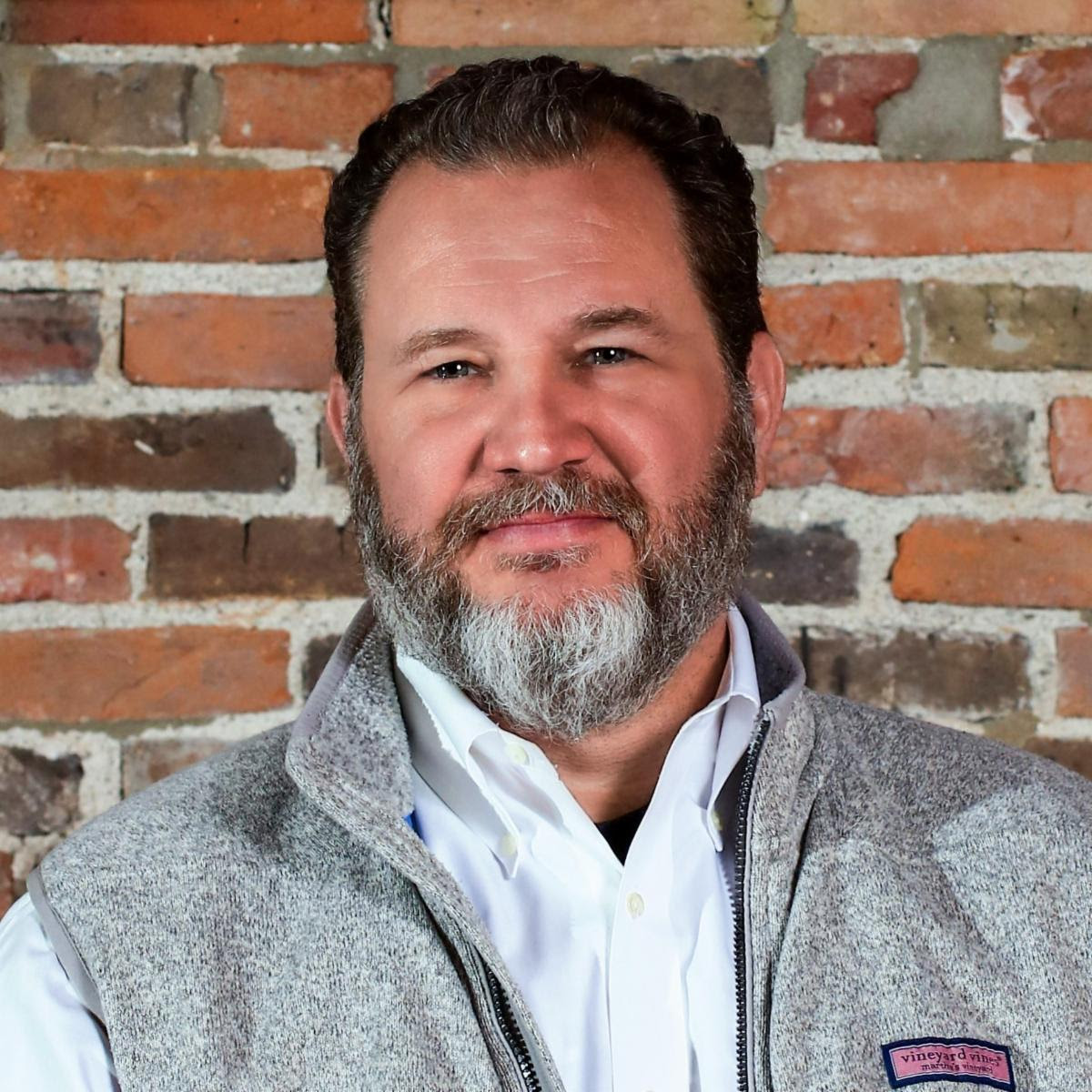
Patrick O’Meara is the Chairman and CEO of Inveniam. He leads the business development efforts and is product manager for the firm’s proprietary and patent-pending transaction platform – Inveniam IO. Inveniam IO is a powerful technology platform that assists financial professionals in digitizing and modeling securities as data not code. Inveniam Capital Partners lays the foundation for digitizing Private Markets at the intersection of Capital Markets, Blockchain and Big Data.
Mr. O’Meara began his career at Raymond James and Bear Stearns & Co before founding his own financial advisory firm and building it into a niche leader for more than 14 years and employing over 80 finance professionals. As founder and President of O’Meara, Ferguson, Whelan & Conway he ran the firm’s advisory services; leading the structuring and execution of transactions for 42 Catholic dioceses and dozens of other faith-based, donation-driven nonprofits in the US. Prior to founding Inveniam Capital, he served as Chief Investment Officer for the University of Mary.
Over the past 20+ years, Mr. O’Meara has been a principal in transactions or advised on:
·       $1+ Billion of equity financing
·       $800+ million of merger and acquisition transactions
·       $2+ Billion of new debt financing
·       $1+ billion of debt re-financing
An internationally recognized thought leader on the functioning of the Capital Markets, he frequently provides insight on finance, strategic planning and the intersection of the capital markets with underserved market segments. He has delivered talks in more than 45 states and provinces in the U.S. & Canada and countries around the world including regularly lecturing on the connections between canon and civil law on Church financing, at the Vatican, addressing over 600 economists from five continents and discussing a more robust understanding of risk and the allocation of capital.
He has been profiled in the Wall Street Journal as well as Bloomberg, TIME, The Chicago Tribune, The Bond Buyer, Politico, The National Catholic Register, and many others, and he’s regularly appeared on Fox, CBS, ABC affiliates, EWTN and Catholic Answers Live.
Mr. O’Meara earned a Bachelor of Arts in Philosophy and Theology from Franciscan University of Steubenville and lives with his family in Michigan.
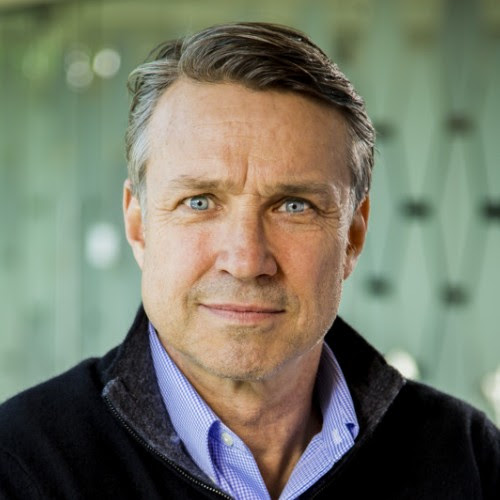
As Global Director, Business Development, Frank Walczak is responsible for expanding Inveniam Capital Partner’s (ICP) footprint globally through Strategic Partnerships and identifying and capturing long term revenue-producing opportunities; and the development of sales teams and processes for the distribution of ICP software and sales teams to sell specific ICP sponsored deals.
Mr. Walczak is a successful relationship builder with over 25 years of experience with top financial firms. He has spent his career providing firms with substantial streams of revenue by establishing new lines of business, cultivating long term alliances with key players, and building well-rounded diversified first-rate teams in sales and relationship management. Mr. Walczak has a proven record of exceeding revenue objectives by creating high impact business strategies and capitalizing on market opportunities.
Prior to joining Inveniam, Mr. Walczak spent 22 years at Cantor Fitzgerald where he was originally hired from Tokyo Forex in Japan to create and manage a foreign exchange team in London. With Cantor Fitzgerald, he managed all aspects of the start-up operation including a budget, staffing, coordination of technology, telecommunications and P&L. Mr. Walczak established a viable business in just one year, building more than 250 active accounts in Europe and Asia in 5 years. After the 9/11 tragedy that decimated the Cantor workforce, he was brought in to help to rebuild the Cantor Equities team to the global player they are today.
After leaving Cantor in 2016, Mr. Walczak was introduced to tZERO where he led business development before joining ICP in 2018.
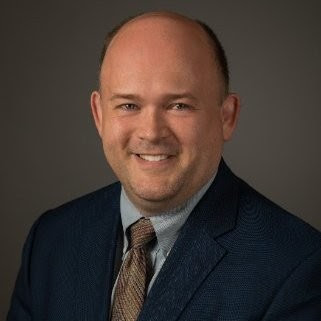
Clifford A. Lipscomb, Ph.D., MRICS is Managing Director of Public Policy, at Inveniam Capital Partners . In this role, Dr. Lipscomb provides strategy and research assistance on issues at the intersection of technology (blockchain), capital markets, economics, property valuation, real estate, and Big Data.
Dr. Lipscomb is a Chartered Valuation Surveyor with more than 25 years of experience in economic and statistical analysis, survey design, consulting, and teaching. His previous employment includes the Georgia Institute of Technology (2019-2021), Greenfield Advisors (2010-2019), Valdosta State University [Associate Professor of Economics (2005-2010) and Director of the Center for Business and Economic Research (2008-2010)], George Mason University (2004-2005), and the U.S. Department of Commerce, Bureau of Economic Analysis (2003-2005). Dr. Lipscomb was a Visiting Scholar at the Federal Reserve Bank of Atlanta from 2014-2017.
At Greenfield Advisors, Dr. Lipscomb helped clients achieve their goals by providing strategy and research assistance on issues at the intersection of technology, economics, property valuation, real estate, and Big Data. In this capacity, he advised on more than $55 billion in legal recoveries for his clients. He has also advised on more than $25 million in completed mergers and acquisitions transactions in his career.
Dr. Lipscomb was the Founding Book Review Editor for the Review of Regional Studies. Dr. Lipscomb is currently the Managing Editor for the Journal of Real Estate Practice and Education, an Associate Editor for the Journal of Real Estate Literature, and an industry board member of the Journal of Sustainable Real Estate. His work has been featured in The Washington Post, Wealth Management Real Estate, Yahoo! Finance, Bloomberg BNA, The Los Angeles Times, Atlanta Business Chronicle, and HousingWire magazine.
Dr. Lipscomb holds baccalaureate degrees in Economics and Sociology from Berry College as well as a Ph.D. in Public Policy from the Georgia Institute of Technology. He lives in Cartersville, GA with his wife and five children.


Recent Posts

Follow Us

Watch Recent Episode

Black swan events are, by definition, unpredictable—but their impact on markets, businesses, and individuals can be immediate and severe. In this episode of Fried On Business, Jim Fried explores how to survive—and position yourself during—these rare but powerful disruptions.

Jim begins by explaining what makes a black swan event different from normal market volatility. These are not gradual shifts or expected corrections; they are sudden, high-impact occurrences that challenge assumptions and expose vulnerabilities. Because they cannot be predicted with precision, the focus must shift from forecasting to preparation.

Throughout the episode, Jim emphasizes that resilience is built before the crisis arrives. Strong balance sheets, conservative underwriting, diversified relationships, and flexible capital structures create optionality when others are forced into reactive decisions. He explains how maintaining liquidity and avoiding overextension allow leaders to withstand shocks and remain in control.

Jim also discusses the psychological component of black swan events. Fear, uncertainty, and rapid change can lead to poor decisions. Leaders who stay grounded, communicate clearly, and resist emotional reactions are better positioned to navigate chaos effectively. He highlights how disciplined thinking—rather than speed—often determines outcomes in volatile moments.

Listeners will learn how to reframe black swan events not only as risks but also as opportunities. When markets dislocate, assets reprice, and competition pulls back, those who prepared can step forward strategically.

This episode offers a clear, practical perspective for anyone operating in uncertain environments. Whether you are an investor, entrepreneur, or business leader, the lesson is consistent: you may not control the event, but you can control your preparation and your response.

This episode of Fried on Business is brought to you by our presenting sponsor, Warren Henry Auto Group.

🎙️ New to streaming or looking to level up? Check out StreamYard and get $10 discount! 😍 https://streamyard.com/pal/d/6126418013716480

Black swan events are, by definition, unpredictable—but their impact on markets, businesses, and individuals can be immediate and severe. In this episode of Fried On Business, Jim Fried explores how to survive—and position yourself during—these rare but powerful disruptions.

Jim begins by explaining what makes a black swan event different from normal market volatility. These are not gradual shifts or expected corrections; they are sudden, high-impact occurrences that challenge assumptions and expose vulnerabilities. Because they cannot be predicted with precision, the focus must shift from forecasting to preparation.

Throughout the episode, Jim emphasizes that resilience is built before the crisis arrives. Strong balance sheets, conservative underwriting, diversified relationships, and flexible capital structures create optionality when others are forced into reactive decisions. He explains how maintaining liquidity and avoiding overextension allow leaders to withstand shocks and remain in control.

Jim also discusses the psychological component of black swan events. Fear, uncertainty, and rapid change can lead to poor decisions. Leaders who stay grounded, communicate clearly, and resist emotional reactions are better positioned to navigate chaos effectively. He highlights how disciplined thinking—rather than speed—often determines outcomes in volatile moments.

Listeners will learn how to reframe black swan events not only as risks but also as opportunities. When markets dislocate, assets reprice, and competition pulls back, those who prepared can step forward strategically.

This episode offers a clear, practical perspective for anyone operating in uncertain environments. Whether you are an investor, entrepreneur, or business leader, the lesson is consistent: you may not control the event, but you can control your preparation and your response.

This episode of Fried on Business is brought to you by our presenting sponsor, Warren Henry Auto Group.

🎙️ New to streaming or looking to level up? Check out StreamYard and get $10 discount! 😍 https://streamyard.com/pal/d/6126418013716480

0 0

YouTube Video VVU4aS1uUXJ0T1VrQmVOeGNhODFzaHV3Lm9feGtKOThKbENZ

Crisis, Chaos, Opportunity: Jim Fried on Black Swan Strategy

Jim Fried 0 views 120 minutes ago

Broadcast media is evolving quickly—and so are the facilities that support it. In this episode of Fried On Business, Jim Fried sits down with Andrew Ansin, CEO of Sunbeam Enterprises, to discuss how strategic real estate decisions are shaping the future of television operations in South Florida.

Andrew shares the thinking behind relocating both WSVN Channel 7 and Miami’s new ABC affiliate Channel 18 to a newly developed commercial campus in Miramar. The move represents far more than a change of address. It reflects a broader vision to modernize infrastructure, improve operational efficiency, and position Sunbeam Enterprises for long-term growth in an increasingly competitive media environment.

The conversation also explores the redevelopment of Sunbeam’s longtime station property in North Bay Village. Andrew explains how legacy broadcast sites often sit on underutilized land and how careful planning can unlock significant value while supporting evolving business needs. Jim and Andrew discuss zoning, logistics, capital planning, and the coordination required to execute complex transitions at scale.

Listeners will hear how leadership discipline, long-term perspective, and adaptability guide decision-making in both media and real estate. Andrew shares insights into balancing innovation with continuity, ensuring employees transition smoothly, and aligning operational strategy with real estate development goals.

This episode highlights how forward-thinking companies approach change—not reactively, but strategically. Whether you work in media, real estate, or corporate leadership, Andrew’s perspective offers a valuable look at how large organizations reinvent themselves while protecting what matters most.

If you want to understand how media infrastructure and real estate strategy intersect, this conversation provides a clear and practical roadmap.

This episode of Fried on Business is brought to you by our presenting sponsor, Warren Henry Auto Group.

🎙️ New to streaming or looking to level up? Check out StreamYard and get $10 discount! 😍 https://streamyard.com/pal/d/6126418013716480

Broadcast media is evolving quickly—and so are the facilities that support it. In this episode of Fried On Business, Jim Fried sits down with Andrew Ansin, CEO of Sunbeam Enterprises, to discuss how strategic real estate decisions are shaping the future of television operations in South Florida.

Andrew shares the thinking behind relocating both WSVN Channel 7 and Miami’s new ABC affiliate Channel 18 to a newly developed commercial campus in Miramar. The move represents far more than a change of address. It reflects a broader vision to modernize infrastructure, improve operational efficiency, and position Sunbeam Enterprises for long-term growth in an increasingly competitive media environment.

The conversation also explores the redevelopment of Sunbeam’s longtime station property in North Bay Village. Andrew explains how legacy broadcast sites often sit on underutilized land and how careful planning can unlock significant value while supporting evolving business needs. Jim and Andrew discuss zoning, logistics, capital planning, and the coordination required to execute complex transitions at scale.

Listeners will hear how leadership discipline, long-term perspective, and adaptability guide decision-making in both media and real estate. Andrew shares insights into balancing innovation with continuity, ensuring employees transition smoothly, and aligning operational strategy with real estate development goals.

This episode highlights how forward-thinking companies approach change—not reactively, but strategically. Whether you work in media, real estate, or corporate leadership, Andrew’s perspective offers a valuable look at how large organizations reinvent themselves while protecting what matters most.

If you want to understand how media infrastructure and real estate strategy intersect, this conversation provides a clear and practical roadmap.

This episode of Fried on Business is brought to you by our presenting sponsor, Warren Henry Auto Group.

🎙️ New to streaming or looking to level up? Check out StreamYard and get $10 discount! 😍 https://streamyard.com/pal/d/6126418013716480

1 0

YouTube Video VVU4aS1uUXJ0T1VrQmVOeGNhODFzaHV3LnVaSHROT1JSTHRF

Andrew Anson discusses relocating his Miami TV stations and redeveloping the sites

Jim Fried 20 views March 12, 2026 4:31 am

Relationship vs Technology: Is Real Estate Changing Forever?

Jim Fried 78 views March 7, 2026 6:56 pm

legacy #CRE business people + #nextgen teammates = the sky is the limit
How 2 Max #AI & #realestate

Jim Fried 93 views March 7, 2026 6:55 pm

positive self-talk helps you be successful
#entrepreneurship
#positiveenergy
#flashbackfriday

Jim Fried 948 views February 27, 2026 5:50 pm

Before you negotiate a deal, lead a team, or make a major decision, there’s one conversation that happens first—the one in your own head. In this episode of Fried On Business, Jim Fried focuses on the power of positive self-talk and how internal dialogue shapes leadership, performance, and long-term success.

Jim explains that most setbacks in business are amplified not by external events, but by how we interpret them internally. The words we use with ourselves influence confidence, resilience, and decision-making. Negative self-talk can create hesitation, fear, and overreaction. Positive, disciplined self-talk builds clarity, calm, and constructive action.

Throughout the episode, Jim shares how he reframes challenges in real time. Instead of saying “This deal is falling apart,” he asks, “What’s the opportunity inside this situation?” Instead of assuming failure, he focuses on preparation and adaptability. This shift doesn’t ignore reality—it strengthens response. Jim emphasizes that positive self-talk is not blind optimism. It’s intentional framing that keeps leaders grounded and focused.

Listeners will learn practical ways to audit their internal dialogue. Jim discusses replacing reactive language with empowering questions, slowing down emotional responses, and recognizing when fear-based thinking is distorting judgment. He highlights how consistent mental discipline compounds just like financial discipline.

The episode also explores how leaders set tone. The way you speak to yourself eventually influences how you speak to your team, partners, and clients. Calm, confident internal dialogue produces steady external leadership.

If you’ve ever felt pressure, doubt, or stress cloud your judgment, this conversation offers tools you can use immediately. Your inner voice is always talking—make sure it’s working for you, not against you.

This episode of Fried on Business is brought to you by our presenting sponsor, Warren Henry Auto Group.

🎙️ New to streaming or looking to level up? Check out StreamYard and get $10 discount! 😍 https://streamyard.com/pal/d/6126418013716480

Before you negotiate a deal, lead a team, or make a major decision, there’s one conversation that happens first—the one in your own head. In this episode of Fried On Business, Jim Fried focuses on the power of positive self-talk and how internal dialogue shapes leadership, performance, and long-term success.

Jim explains that most setbacks in business are amplified not by external events, but by how we interpret them internally. The words we use with ourselves influence confidence, resilience, and decision-making. Negative self-talk can create hesitation, fear, and overreaction. Positive, disciplined self-talk builds clarity, calm, and constructive action.

Throughout the episode, Jim shares how he reframes challenges in real time. Instead of saying “This deal is falling apart,” he asks, “What’s the opportunity inside this situation?” Instead of assuming failure, he focuses on preparation and adaptability. This shift doesn’t ignore reality—it strengthens response. Jim emphasizes that positive self-talk is not blind optimism. It’s intentional framing that keeps leaders grounded and focused.

Listeners will learn practical ways to audit their internal dialogue. Jim discusses replacing reactive language with empowering questions, slowing down emotional responses, and recognizing when fear-based thinking is distorting judgment. He highlights how consistent mental discipline compounds just like financial discipline.

The episode also explores how leaders set tone. The way you speak to yourself eventually influences how you speak to your team, partners, and clients. Calm, confident internal dialogue produces steady external leadership.

If you’ve ever felt pressure, doubt, or stress cloud your judgment, this conversation offers tools you can use immediately. Your inner voice is always talking—make sure it’s working for you, not against you.

This episode of Fried on Business is brought to you by our presenting sponsor, Warren Henry Auto Group.

🎙️ New to streaming or looking to level up? Check out StreamYard and get $10 discount! 😍 https://streamyard.com/pal/d/6126418013716480

1 0

YouTube Video VVU4aS1uUXJ0T1VrQmVOeGNhODFzaHV3LnVxNWhPYzhHaG1N

The Voice in Your Head Matters: Jim Fried on Positive Self-Talk

Jim Fried 6 views February 25, 2026 5:22 pm

Legitimate credibility & contingent behavior pattern lead 2 success
#entrepreneur
#miami
#realestate

Jim Fried 75 views February 19, 2026 3:03 pm

Over the years, Jim Fried has collected a set of simple sayings that guide almost every business decision he makes. They aren’t complicated frameworks or buzzwords. They’re short, memorable phrases—easy to repeat, hard to ignore—that cut through noise and help him stay grounded when stakes are high. In this solo episode of Fried On Business, Jim shares many of his favorite business sayings and explains the lessons behind each one.

Jim walks listeners through how these principles developed over decades of entrepreneurship, investing, and leadership. Some focus on patience and long-term thinking. Others emphasize relationships, trust, and consistency. A few challenge the idea that speed equals success. Each saying serves as a mental shortcut—something to lean on when markets are uncertain or decisions feel overwhelming.

Throughout the episode, Jim explains how these simple rules help him avoid common mistakes. Instead of chasing every opportunity, he filters decisions through experience. Instead of reacting emotionally, he slows down and asks what really matters. Instead of trying to control everything, he focuses on what he can influence and lets the rest go. These habits, built over time, have shaped how he negotiates deals, builds partnerships, and leads teams.

Listeners will hear practical examples of how a well-timed phrase can shift perspective and prevent costly errors. Jim’s goal isn’t to preach or prescribe, but to share what has worked consistently in real life. The episode feels like a collection of field notes—earned wisdom passed along to anyone building a business or career.

If you enjoy practical advice without fluff, this episode delivers clarity and calm in a noisy world. Sometimes the best guidance fits into a single sentence.

This episode of Fried on Business is brought to you by our presenting sponsor, Warren Henry Auto Group.

🎙️ New to streaming or looking to level up? Check out StreamYard and get $10 discount! 😍 https://streamyard.com/pal/d/6126418013716480

Over the years, Jim Fried has collected a set of simple sayings that guide almost every business decision he makes. They aren’t complicated frameworks or buzzwords. They’re short, memorable phrases—easy to repeat, hard to ignore—that cut through noise and help him stay grounded when stakes are high. In this solo episode of Fried On Business, Jim shares many of his favorite business sayings and explains the lessons behind each one.

Jim walks listeners through how these principles developed over decades of entrepreneurship, investing, and leadership. Some focus on patience and long-term thinking. Others emphasize relationships, trust, and consistency. A few challenge the idea that speed equals success. Each saying serves as a mental shortcut—something to lean on when markets are uncertain or decisions feel overwhelming.

Throughout the episode, Jim explains how these simple rules help him avoid common mistakes. Instead of chasing every opportunity, he filters decisions through experience. Instead of reacting emotionally, he slows down and asks what really matters. Instead of trying to control everything, he focuses on what he can influence and lets the rest go. These habits, built over time, have shaped how he negotiates deals, builds partnerships, and leads teams.

Listeners will hear practical examples of how a well-timed phrase can shift perspective and prevent costly errors. Jim’s goal isn’t to preach or prescribe, but to share what has worked consistently in real life. The episode feels like a collection of field notes—earned wisdom passed along to anyone building a business or career.

If you enjoy practical advice without fluff, this episode delivers clarity and calm in a noisy world. Sometimes the best guidance fits into a single sentence.

This episode of Fried on Business is brought to you by our presenting sponsor, Warren Henry Auto Group.

🎙️ New to streaming or looking to level up? Check out StreamYard and get $10 discount! 😍 https://streamyard.com/pal/d/6126418013716480

0 0

YouTube Video VVU4aS1uUXJ0T1VrQmVOeGNhODFzaHV3LkF6SWZsMTM2eFBZ

Business Wisdom That Sticks: Jim Fried’s Favorite Sayings for Success

Jim Fried 2 views February 18, 2026 5:28 pm