
South Florida’s Top Business Podcast

O, Miami + Publix Serves

SHARE

Episode 659  |  4.6.22

#allaboutcommunity

The Fried on Business Show celebrates April and the return of the O, Miami Poetry Festival with Melissa Gomez.

PLUS

Jim is joined by Publix media relations manager Lindsay Wallace and community relations manager Robyn Hankerson-Printemps. to learn about the company’s exciting initiatives to build community and improve our Florida ecosystem.


About Our Guests

Production Coordinator
Melissa Gomez (Communications & Production) leads O, Miami’s logistical efforts and serves as the narrative specialist for videos and other documentation. Formerly with O Cinema, she has a background in event coordination and planning and has produced specialty film programming for Popcorn Frights Film Festival, Film Junkies, and the Third Horizon Film Festival, where she also served as technical director. A lifelong native of Miami, Melissa holds a Bachelor of Science degree in Film Production from Miami Dade College with a focus on directing and editing.
So, where shall we encounter a poem this April…
* on your parking ticket
* on a can of beer
* on Fruit and Space Park placards
* on a school fence
* on a LED crosswalk sign
* on coffee sleeves
* bumper stickers
* in your ice cream
And on and in so many more unusual and unique places!
it’s the O, Miami Poetry Festival!
Community Relations Manager
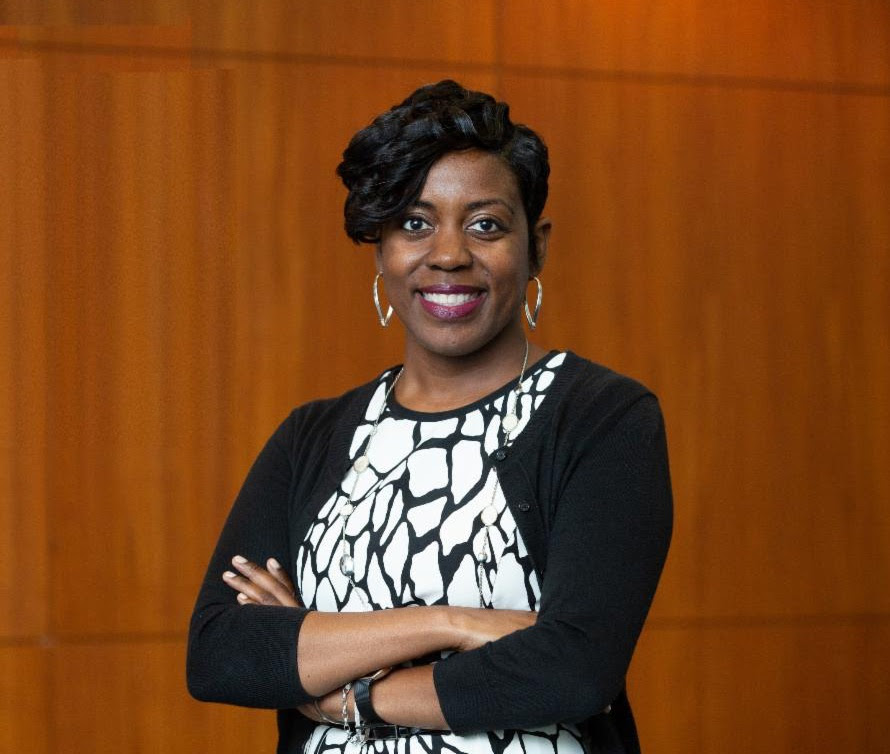
Robyn Hankerson-Printemps serves as the community relations manager for the Miami Division of Publix Super Markets, Inc. In her role, she manages relationships with nonprofit organizations from Monroe to Brevard Counties and oversees the division’s community service initiatives.
Prior to joining Publix, Hankerson-Printemps served as a public information officer at the Broward Sheriff’s Office. She has also held the roles of director of communications & media relations at Johnson & Wales University and development & donor relations manager at the Urban League of Broward County. She began her career with Bitner Goodman/Goodman PR, where she represented various clients in the nonprofit, retail, healthcare and government industries. She has more than 15 years of experience in public relations, crisis communications, community outreach, special events and marketing.
A native of Broward County and advocate for the community, Hankerson-Printemps is a long-time supporter of the Urban League of Broward County, Zeta Phi Beta Sorority, Inc. and the University of Florida Association of Black Alumni. She has served on the board of several organizations, including Broward Education Foundation, New Leaders Council – Broward and ArtServe. She has been recognized as an Unsung Hero by the UF Alumni Association and as one of Legacy Magazine’s 40 Under 40.
Hankerson-Printemps is a graduate of Leadership Broward Class XXXIV, New Leaders Council – Broward and the National Christian Foundation’s Lifework Leadership institute.
She holds a bachelor’s degree in public relations from the University of Florida and a master’s degree in leadership from Nova Southeastern University.
Media Relations Manager
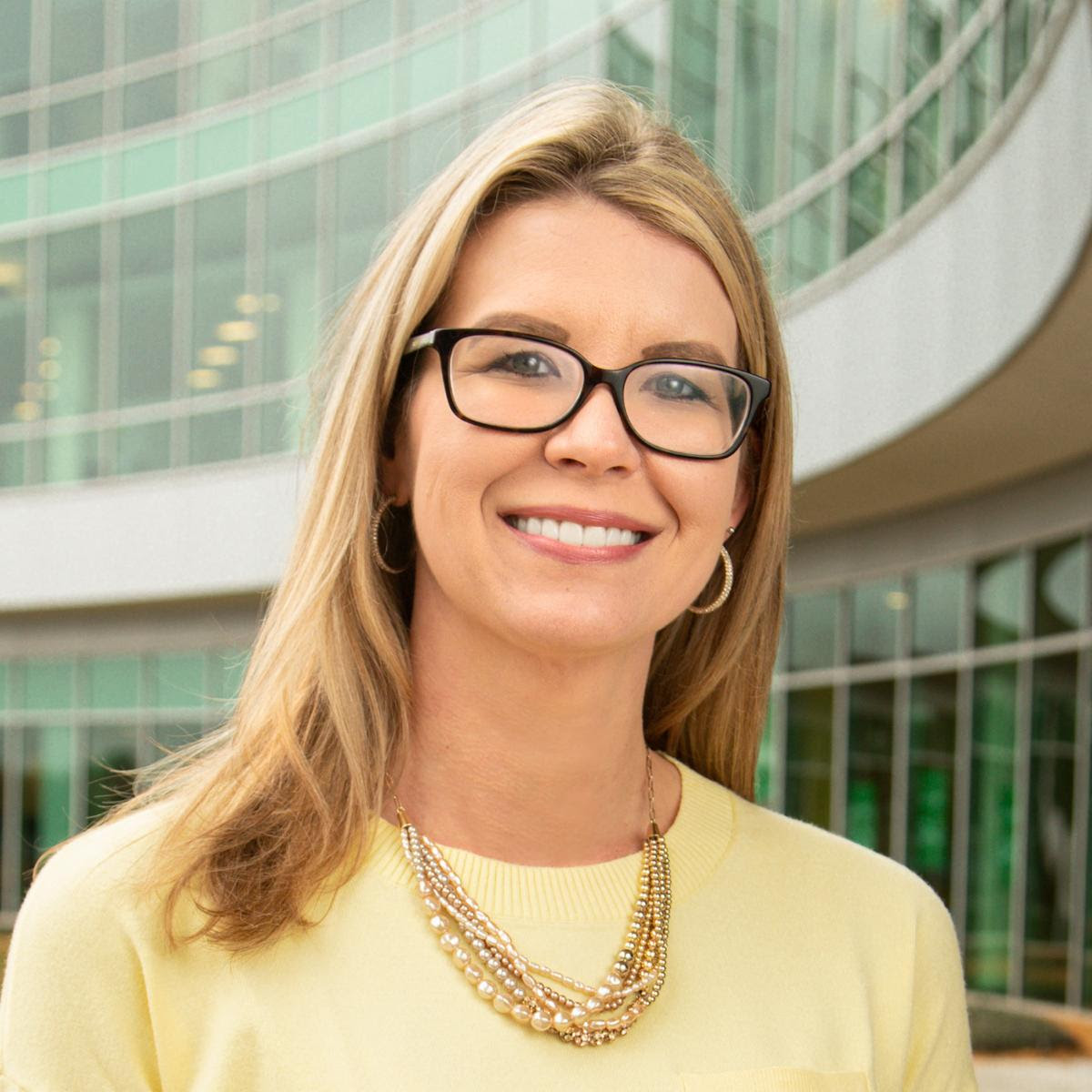
Publix is contributing $2 million to remove invasive trees and plants in 1,000 acres of wetland in the Florida Everglades. These trees and plants use more than their share of water, interrupting Florida’s natural water system. We are funding projects at Corkscrew Swamp Sanctuary and the saline glades in Everglades National Park that will restore the health of these habitats and return an estimated 174 million gallons of water per year to the local environment.


Recent Posts

Follow Us

Watch Recent Episode

No issue is impacting commercial real estate more right now than interest rates. In this episode of Fried On Business, Jim Fried breaks down why elevated borrowing costs have become the defining force reshaping the CRE market—and what investors, developers, and owners need to understand moving forward.

Jim explains how high interest rates affect every layer of the market. Debt is more expensive, valuations are under pressure, refinancing has become significantly more difficult, and many deals that once worked simply no longer pencil. Assets purchased under low-rate assumptions are now facing serious challenges as debt maturities approach and lenders apply tighter underwriting standards.

Throughout the episode, Jim discusses how this environment is slowing transaction volume while simultaneously creating selective opportunity. Sellers anchored to yesterday’s pricing often struggle to meet buyers where the market now sits. At the same time, disciplined investors with liquidity and patience may find opportunities as repricing continues.

Jim also explores how elevated rates are changing behavior. Developers are delaying starts, sponsors are restructuring capital stacks, and borrowers are seeking creative financing solutions to bridge the gap. He explains why the cost of capital now matters more than almost any other underwriting variable and why ignoring rate sensitivity is no longer an option.

Listeners will gain a practical understanding of how to think through this environment strategically. Jim emphasizes that high-rate periods reward discipline, conservative assumptions, and strong relationships with lenders and capital partners. While painful for some, this market is also creating a reset that may produce healthier fundamentals over time.

If you operate in commercial real estate—or simply want to understand why the market feels frozen in some places and stressed in others—this episode offers a clear framework for interpreting the rate-driven reality of today’s CRE landscape.

This episode of Fried on Business is brought to you by our presenting sponsor, Warren Henry Auto Group.

🎙️ New to streaming or looking to level up? Check out StreamYard and get $10 discount! 😍 https://streamyard.com/pal/d/6126418013716480

No issue is impacting commercial real estate more right now than interest rates. In this episode of Fried On Business, Jim Fried breaks down why elevated borrowing costs have become the defining force reshaping the CRE market—and what investors, developers, and owners need to understand moving forward.

Jim explains how high interest rates affect every layer of the market. Debt is more expensive, valuations are under pressure, refinancing has become significantly more difficult, and many deals that once worked simply no longer pencil. Assets purchased under low-rate assumptions are now facing serious challenges as debt maturities approach and lenders apply tighter underwriting standards.

Throughout the episode, Jim discusses how this environment is slowing transaction volume while simultaneously creating selective opportunity. Sellers anchored to yesterday’s pricing often struggle to meet buyers where the market now sits. At the same time, disciplined investors with liquidity and patience may find opportunities as repricing continues.

Jim also explores how elevated rates are changing behavior. Developers are delaying starts, sponsors are restructuring capital stacks, and borrowers are seeking creative financing solutions to bridge the gap. He explains why the cost of capital now matters more than almost any other underwriting variable and why ignoring rate sensitivity is no longer an option.

Listeners will gain a practical understanding of how to think through this environment strategically. Jim emphasizes that high-rate periods reward discipline, conservative assumptions, and strong relationships with lenders and capital partners. While painful for some, this market is also creating a reset that may produce healthier fundamentals over time.

If you operate in commercial real estate—or simply want to understand why the market feels frozen in some places and stressed in others—this episode offers a clear framework for interpreting the rate-driven reality of today’s CRE landscape.

This episode of Fried on Business is brought to you by our presenting sponsor, Warren Henry Auto Group.

🎙️ New to streaming or looking to level up? Check out StreamYard and get $10 discount! 😍 https://streamyard.com/pal/d/6126418013716480

1 0

YouTube Video VVU4aS1uUXJ0T1VrQmVOeGNhODFzaHV3Ljc1VVVfMjFVSU53

The Interest Rate Problem: Why CRE Has Changed

Jim Fried 3 views 19 hours ago

Jim Fried - From Driving Roads to Data: How Real Estate Evolved
How to cope with what comes next #AI

Jim Fried 121 views April 7, 2026 12:49 pm

In a world filled with emails, texts, and endless notifications, one simple habit still stands out: returning phone calls. In this solo episode of Fried On Business, Jim Fried explains why this small act of responsiveness carries significant weight in business relationships and long-term success.

Jim shares how returning a call is more than just good manners—it’s a signal of professionalism, respect, and reliability. When someone takes the time to reach out, responding promptly communicates that you value the relationship. Over time, that consistency builds trust, and trust is what drives deals, partnerships, and opportunity.

Throughout the episode, Jim reflects on how many professionals underestimate the impact of communication habits. Missed calls often lead to missed opportunities, not because the deal was perfect, but because the relationship was neglected. He explains how responsiveness can differentiate you in competitive environments where technical skills alone are not enough.

Jim also discusses the broader mindset behind this habit. Returning calls is about discipline—doing what you say you will do, following through, and showing up consistently. It’s not about perfection; it’s about reliability. Even a brief response can maintain momentum and keep relationships intact.

Listeners will learn how small, repeatable actions compound over time. A returned call can open doors, resolve misunderstandings, and create connections that lead to future business. Jim emphasizes that in many cases, success is less about grand strategies and more about executing simple fundamentals well.

This episode is a reminder that professionalism is often demonstrated in the smallest details. If you want to stand out, build stronger relationships, and create more opportunity, start with something simple: return the call.

This episode of Fried on Business is brought to you by our presenting sponsor, Warren Henry Auto Group.

🎙️ New to streaming or looking to level up? Check out StreamYard and get $10 discount! 😍 https://streamyard.com/pal/d/6126418013716480

In a world filled with emails, texts, and endless notifications, one simple habit still stands out: returning phone calls. In this solo episode of Fried On Business, Jim Fried explains why this small act of responsiveness carries significant weight in business relationships and long-term success.

Jim shares how returning a call is more than just good manners—it’s a signal of professionalism, respect, and reliability. When someone takes the time to reach out, responding promptly communicates that you value the relationship. Over time, that consistency builds trust, and trust is what drives deals, partnerships, and opportunity.

Throughout the episode, Jim reflects on how many professionals underestimate the impact of communication habits. Missed calls often lead to missed opportunities, not because the deal was perfect, but because the relationship was neglected. He explains how responsiveness can differentiate you in competitive environments where technical skills alone are not enough.

Jim also discusses the broader mindset behind this habit. Returning calls is about discipline—doing what you say you will do, following through, and showing up consistently. It’s not about perfection; it’s about reliability. Even a brief response can maintain momentum and keep relationships intact.

Listeners will learn how small, repeatable actions compound over time. A returned call can open doors, resolve misunderstandings, and create connections that lead to future business. Jim emphasizes that in many cases, success is less about grand strategies and more about executing simple fundamentals well.

This episode is a reminder that professionalism is often demonstrated in the smallest details. If you want to stand out, build stronger relationships, and create more opportunity, start with something simple: return the call.

This episode of Fried on Business is brought to you by our presenting sponsor, Warren Henry Auto Group.

🎙️ New to streaming or looking to level up? Check out StreamYard and get $10 discount! 😍 https://streamyard.com/pal/d/6126418013716480

0 0

YouTube Video VVU4aS1uUXJ0T1VrQmVOeGNhODFzaHV3LmFBdEpfUXJVMVU0

Success Starts with a Call Back

Jim Fried 1 views April 1, 2026 4:29 pm

Black swan events are, by definition, unpredictable—but their impact on markets, businesses, and individuals can be immediate and severe. In this episode of Fried On Business, Jim Fried explores how to survive—and position yourself during—these rare but powerful disruptions.

Jim begins by explaining what makes a black swan event different from normal market volatility. These are not gradual shifts or expected corrections; they are sudden, high-impact occurrences that challenge assumptions and expose vulnerabilities. Because they cannot be predicted with precision, the focus must shift from forecasting to preparation.

Throughout the episode, Jim emphasizes that resilience is built before the crisis arrives. Strong balance sheets, conservative underwriting, diversified relationships, and flexible capital structures create optionality when others are forced into reactive decisions. He explains how maintaining liquidity and avoiding overextension allow leaders to withstand shocks and remain in control.

Jim also discusses the psychological component of black swan events. Fear, uncertainty, and rapid change can lead to poor decisions. Leaders who stay grounded, communicate clearly, and resist emotional reactions are better positioned to navigate chaos effectively. He highlights how disciplined thinking—rather than speed—often determines outcomes in volatile moments.

Listeners will learn how to reframe black swan events not only as risks but also as opportunities. When markets dislocate, assets reprice, and competition pulls back, those who prepared can step forward strategically.

This episode offers a clear, practical perspective for anyone operating in uncertain environments. Whether you are an investor, entrepreneur, or business leader, the lesson is consistent: you may not control the event, but you can control your preparation and your response.

This episode of Fried on Business is brought to you by our presenting sponsor, Warren Henry Auto Group.

🎙️ New to streaming or looking to level up? Check out StreamYard and get $10 discount! 😍 https://streamyard.com/pal/d/6126418013716480

Black swan events are, by definition, unpredictable—but their impact on markets, businesses, and individuals can be immediate and severe. In this episode of Fried On Business, Jim Fried explores how to survive—and position yourself during—these rare but powerful disruptions.

Jim begins by explaining what makes a black swan event different from normal market volatility. These are not gradual shifts or expected corrections; they are sudden, high-impact occurrences that challenge assumptions and expose vulnerabilities. Because they cannot be predicted with precision, the focus must shift from forecasting to preparation.

Throughout the episode, Jim emphasizes that resilience is built before the crisis arrives. Strong balance sheets, conservative underwriting, diversified relationships, and flexible capital structures create optionality when others are forced into reactive decisions. He explains how maintaining liquidity and avoiding overextension allow leaders to withstand shocks and remain in control.

Jim also discusses the psychological component of black swan events. Fear, uncertainty, and rapid change can lead to poor decisions. Leaders who stay grounded, communicate clearly, and resist emotional reactions are better positioned to navigate chaos effectively. He highlights how disciplined thinking—rather than speed—often determines outcomes in volatile moments.

Listeners will learn how to reframe black swan events not only as risks but also as opportunities. When markets dislocate, assets reprice, and competition pulls back, those who prepared can step forward strategically.

This episode offers a clear, practical perspective for anyone operating in uncertain environments. Whether you are an investor, entrepreneur, or business leader, the lesson is consistent: you may not control the event, but you can control your preparation and your response.

This episode of Fried on Business is brought to you by our presenting sponsor, Warren Henry Auto Group.

🎙️ New to streaming or looking to level up? Check out StreamYard and get $10 discount! 😍 https://streamyard.com/pal/d/6126418013716480

1 0

YouTube Video VVU4aS1uUXJ0T1VrQmVOeGNhODFzaHV3Lm9feGtKOThKbENZ

Crisis, Chaos, Opportunity: Jim Fried on Black Swan Strategy

Jim Fried 22 views March 25, 2026 4:24 pm

Broadcast media is evolving quickly—and so are the facilities that support it. In this episode of Fried On Business, Jim Fried sits down with Andrew Ansin, CEO of Sunbeam Enterprises, to discuss how strategic real estate decisions are shaping the future of television operations in South Florida.

Andrew shares the thinking behind relocating both WSVN Channel 7 and Miami’s new ABC affiliate Channel 18 to a newly developed commercial campus in Miramar. The move represents far more than a change of address. It reflects a broader vision to modernize infrastructure, improve operational efficiency, and position Sunbeam Enterprises for long-term growth in an increasingly competitive media environment.

The conversation also explores the redevelopment of Sunbeam’s longtime station property in North Bay Village. Andrew explains how legacy broadcast sites often sit on underutilized land and how careful planning can unlock significant value while supporting evolving business needs. Jim and Andrew discuss zoning, logistics, capital planning, and the coordination required to execute complex transitions at scale.

Listeners will hear how leadership discipline, long-term perspective, and adaptability guide decision-making in both media and real estate. Andrew shares insights into balancing innovation with continuity, ensuring employees transition smoothly, and aligning operational strategy with real estate development goals.

This episode highlights how forward-thinking companies approach change—not reactively, but strategically. Whether you work in media, real estate, or corporate leadership, Andrew’s perspective offers a valuable look at how large organizations reinvent themselves while protecting what matters most.

If you want to understand how media infrastructure and real estate strategy intersect, this conversation provides a clear and practical roadmap.

This episode of Fried on Business is brought to you by our presenting sponsor, Warren Henry Auto Group.

🎙️ New to streaming or looking to level up? Check out StreamYard and get $10 discount! 😍 https://streamyard.com/pal/d/6126418013716480

Broadcast media is evolving quickly—and so are the facilities that support it. In this episode of Fried On Business, Jim Fried sits down with Andrew Ansin, CEO of Sunbeam Enterprises, to discuss how strategic real estate decisions are shaping the future of television operations in South Florida.

Andrew shares the thinking behind relocating both WSVN Channel 7 and Miami’s new ABC affiliate Channel 18 to a newly developed commercial campus in Miramar. The move represents far more than a change of address. It reflects a broader vision to modernize infrastructure, improve operational efficiency, and position Sunbeam Enterprises for long-term growth in an increasingly competitive media environment.

The conversation also explores the redevelopment of Sunbeam’s longtime station property in North Bay Village. Andrew explains how legacy broadcast sites often sit on underutilized land and how careful planning can unlock significant value while supporting evolving business needs. Jim and Andrew discuss zoning, logistics, capital planning, and the coordination required to execute complex transitions at scale.

Listeners will hear how leadership discipline, long-term perspective, and adaptability guide decision-making in both media and real estate. Andrew shares insights into balancing innovation with continuity, ensuring employees transition smoothly, and aligning operational strategy with real estate development goals.

This episode highlights how forward-thinking companies approach change—not reactively, but strategically. Whether you work in media, real estate, or corporate leadership, Andrew’s perspective offers a valuable look at how large organizations reinvent themselves while protecting what matters most.

If you want to understand how media infrastructure and real estate strategy intersect, this conversation provides a clear and practical roadmap.

This episode of Fried on Business is brought to you by our presenting sponsor, Warren Henry Auto Group.

🎙️ New to streaming or looking to level up? Check out StreamYard and get $10 discount! 😍 https://streamyard.com/pal/d/6126418013716480

1 0

YouTube Video VVU4aS1uUXJ0T1VrQmVOeGNhODFzaHV3LnVaSHROT1JSTHRF

Andrew Anson discusses relocating his Miami TV stations and redeveloping the sites

Jim Fried 21 views March 12, 2026 4:31 am

Relationship vs Technology: Is Real Estate Changing Forever?

Jim Fried 78 views March 7, 2026 6:56 pm

legacy #CRE business people + #nextgen teammates = the sky is the limit
How 2 Max #AI & #realestate

Jim Fried 93 views March 7, 2026 6:55 pm

positive self-talk helps you be successful
#entrepreneurship
#positiveenergy
#flashbackfriday

Jim Fried 948 views February 27, 2026 5:50 pm