

South Florida’s Top Business Podcast

America 2.0 – Safety in the New Normal

SHARE

Episode 573: 7.15.20

We Interrupt Your Regularly Scheduled Business…

No one knows how long the disruption of Covid-19 will be around for and how long it will take for the country to recover from the damage to the economic ecosystem. Today we’ll talk with Regan Marock and Nelson Barbosa of Kent Services about safety as it relates to minimizing the spread of the virus, including the reopening of multifamily residential amenities. Jim will also hear from Pesonal Injury Attorney Glen Lerner of Lerner & Rowe all about business interruption insurance. If COVID-19 has caused you to reduce or close your business, your losses may be covered by your current policy. Tune in to find out.

 

About our Guests

Regan Marock
Managing Director, Foxrock Management, LLC
Chairman, Kent America 2.0 Task Force

After graduating from college in 2006, Regan was recruited by KW PROPERTY MANAGEMENT & CONSULTING, a property management firm in it’s early stages, where he was intimately involved in building the company’s brand and growing its portfolio statewide (eventually nationally and internationally) from approximately 10,000 residential units to over 50,000 in a ten year period. After four years, he was ultimately made an equity partner at the age of twenty-five.

After ten years of service, in 2016, Regan sold his equity at KW PROPERTY MANAGEMENT, decided to test his entrepreneurial spirit and was recruited to join a startup cyber security company backed by a national private security firm. He spent a year gaining invaluable knowledge relating to tech and cyber security for the business and real estate sectors. Regan then went on to join WRG, a prominent fast-growing remediation firm, where he spent eight months working under the CEO gaining perspective on the operations of a third-party vendor in the real estate sector as well as obtaining intimate exposure to the onsite Property Managers.

In 2018, after being heavily recruited by all the major Property Management firms in South Florida, Regan joined AKAM On-Site, Inc, a Property Management firm founded in New York in 1983 with its local Florida office in Dania Beach, FL. Regan maintained his successful track record by being intimately involved with growing the Florida division by over 40% over a two-year period.

In February 2020, Regan founded and is now the Managing Partner for Foxrock Management, LLC, and recently, through retainer became Chairman of the Kent America 2.0 Task Force.

Regan was born in Johannesburg South Africa, coming to the US as a child in 2001. He graduated from the University of Florida with a Bachelor of Science Business Administration degree in Finance. He is married and the proud father of two boys named Ben and Aaron.

 

Nelson Barbosa
Director of Quality Control, Training & Compliance

Nelson Barbosa was born in Havana, Cuba arriving in the United States in 1971 with his family at age fourteen. He holds a Bachelor of Arts in Business Administration and Management and a minor in Business Law from Chicago Northeastern Illinois University (NEIU). At NEIU, he also fulfilled all teaching requirements and taught as a certified teacher for the Chicago Board of Education and City-Wide Colleges until being hired by the Drug Enforcement Administration (DEA) in 1986. During his tenure with DEA, he served as a Diversion Investigator (DI) responsible for the investigation of legitimate drug matters. In 1990, he became a Special Agent of the Federal Bureau of Investigation (FBI) where he retired in 2013 after 24 years of service. During his employment with the FBI, he gained vast knowledge and experience in both counter-terrorism and criminal investigation and served two-tours, a total of six years, as a diplomat assigned to the U.S. Embassy in Bogota, Colombia. Barbosa is a Certified Fraud Examiner (CFE) and a Dade County certified Criminal Justice teacher and proud recipient of three honorable discharges from the U.S. Marine Corps, U.S. Army National Guard and the U.S. Army. He is married and has three adult children.
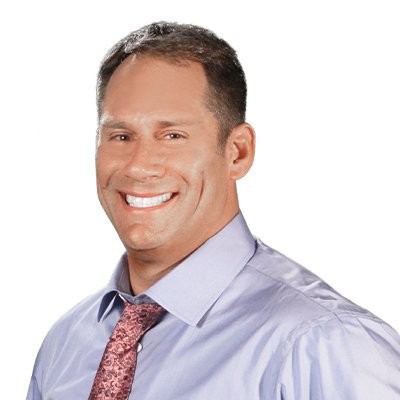
 

Glen Lerner
Personal Injury Attorney
Founding Partner, Lerner and Rowe Injury Attorneys
Lerner and Rowe Law Group

Attorney Glen Lerner is only licensed to practice personal injury law in the State of Nevada and has been doing so since 1991. He has successfully built not just a local name, but a national reputation. Glen Lerner deals with a large network of attorneys all over America to provide legal services in cases of personal injury, medical malpractice, hazardous products, and more.

The offices of Lerner and Rowe and their attorneys believe in respecting their customers.

“A customer is the most important visitor on our premises, he is not dependent on us. We are dependent on him. He is not an interruption in our work. He is the purpose of it. He is not an outsider in our business. He is part of it. We are not doing him a favor by serving him. He is doing us a favor by giving us an opportunity to do so.” – Favorite Quote of Lerner and Rowe –

Glen prides himself in fighting for the “little guy” against big insurance companies and large corporations. “I grew up fighting every day of my life against bullies and I was the one who the other kids turned to. Now I do it as a grownup, and I get paid for doing what I love to do… fight!”

Lerner attended Dartmouth College for one year and graduated from Duke University in 1987 with a major in Religious Studies. Glen also prides himself on being a member of Duke’s 1986 NCAA Division I Men’s National Championship soccer team.

Glen Lerner is a 1990 graduate of Tulane Law School in New Orleans, Louisiana.

He worked odd jobs throughout his life including being a Teamster and a garbage man to better understand many of the people he would someday represent. “I was number one in my class and got accepted at Harvard, Dartmouth, Stanford, and Duke.”

“How could I ever represent people and really know how they feel if I have never had to work hard like them? Most of the people we represent are hardworking people and so many people that are privileged to get the education I have received never learn what it is like to really work and get their hands dirty,” says Glen Lerner.

“I wanted to work hard jobs to be able to appreciate what I have and show that appreciation when I am with my clients.”

Glen Lerner is married and also has four beautiful children. He enjoys working out, martial arts, and relaxing at home.  As a native of Boston, he loves anything to do with the Red Sox and Patriots.

Email: glerner@lernerandrowe.com


Episode 573: 7.15.20

(To download, right-click and select “Save Link As”.)

Recent Posts

Follow Us

Watch Recent Episode

positive self-talk helps you be successful
#entrepreneurship
#positiveenergy
#flashbackfriday

Jim Fried 86 views 5 hours ago

Before you negotiate a deal, lead a team, or make a major decision, there’s one conversation that happens first—the one in your own head. In this episode of Fried On Business, Jim Fried focuses on the power of positive self-talk and how internal dialogue shapes leadership, performance, and long-term success.

Jim explains that most setbacks in business are amplified not by external events, but by how we interpret them internally. The words we use with ourselves influence confidence, resilience, and decision-making. Negative self-talk can create hesitation, fear, and overreaction. Positive, disciplined self-talk builds clarity, calm, and constructive action.

Throughout the episode, Jim shares how he reframes challenges in real time. Instead of saying “This deal is falling apart,” he asks, “What’s the opportunity inside this situation?” Instead of assuming failure, he focuses on preparation and adaptability. This shift doesn’t ignore reality—it strengthens response. Jim emphasizes that positive self-talk is not blind optimism. It’s intentional framing that keeps leaders grounded and focused.

Listeners will learn practical ways to audit their internal dialogue. Jim discusses replacing reactive language with empowering questions, slowing down emotional responses, and recognizing when fear-based thinking is distorting judgment. He highlights how consistent mental discipline compounds just like financial discipline.

The episode also explores how leaders set tone. The way you speak to yourself eventually influences how you speak to your team, partners, and clients. Calm, confident internal dialogue produces steady external leadership.

If you’ve ever felt pressure, doubt, or stress cloud your judgment, this conversation offers tools you can use immediately. Your inner voice is always talking—make sure it’s working for you, not against you.

This episode of Fried on Business is brought to you by our presenting sponsor, Warren Henry Auto Group.

🎙️ New to streaming or looking to level up? Check out StreamYard and get $10 discount! 😍 https://streamyard.com/pal/d/6126418013716480

Before you negotiate a deal, lead a team, or make a major decision, there’s one conversation that happens first—the one in your own head. In this episode of Fried On Business, Jim Fried focuses on the power of positive self-talk and how internal dialogue shapes leadership, performance, and long-term success.

Jim explains that most setbacks in business are amplified not by external events, but by how we interpret them internally. The words we use with ourselves influence confidence, resilience, and decision-making. Negative self-talk can create hesitation, fear, and overreaction. Positive, disciplined self-talk builds clarity, calm, and constructive action.

Throughout the episode, Jim shares how he reframes challenges in real time. Instead of saying “This deal is falling apart,” he asks, “What’s the opportunity inside this situation?” Instead of assuming failure, he focuses on preparation and adaptability. This shift doesn’t ignore reality—it strengthens response. Jim emphasizes that positive self-talk is not blind optimism. It’s intentional framing that keeps leaders grounded and focused.

Listeners will learn practical ways to audit their internal dialogue. Jim discusses replacing reactive language with empowering questions, slowing down emotional responses, and recognizing when fear-based thinking is distorting judgment. He highlights how consistent mental discipline compounds just like financial discipline.

The episode also explores how leaders set tone. The way you speak to yourself eventually influences how you speak to your team, partners, and clients. Calm, confident internal dialogue produces steady external leadership.

If you’ve ever felt pressure, doubt, or stress cloud your judgment, this conversation offers tools you can use immediately. Your inner voice is always talking—make sure it’s working for you, not against you.

This episode of Fried on Business is brought to you by our presenting sponsor, Warren Henry Auto Group.

🎙️ New to streaming or looking to level up? Check out StreamYard and get $10 discount! 😍 https://streamyard.com/pal/d/6126418013716480

0 0

YouTube Video VVU4aS1uUXJ0T1VrQmVOeGNhODFzaHV3LnVxNWhPYzhHaG1N

The Voice in Your Head Matters: Jim Fried on Positive Self-Talk

Jim Fried 5 views February 25, 2026 5:22 pm

Legitimate credibility & contingent behavior pattern lead 2 success
#entrepreneur
#miami
#realestate

Jim Fried 75 views February 19, 2026 3:03 pm

Over the years, Jim Fried has collected a set of simple sayings that guide almost every business decision he makes. They aren’t complicated frameworks or buzzwords. They’re short, memorable phrases—easy to repeat, hard to ignore—that cut through noise and help him stay grounded when stakes are high. In this solo episode of Fried On Business, Jim shares many of his favorite business sayings and explains the lessons behind each one.

Jim walks listeners through how these principles developed over decades of entrepreneurship, investing, and leadership. Some focus on patience and long-term thinking. Others emphasize relationships, trust, and consistency. A few challenge the idea that speed equals success. Each saying serves as a mental shortcut—something to lean on when markets are uncertain or decisions feel overwhelming.

Throughout the episode, Jim explains how these simple rules help him avoid common mistakes. Instead of chasing every opportunity, he filters decisions through experience. Instead of reacting emotionally, he slows down and asks what really matters. Instead of trying to control everything, he focuses on what he can influence and lets the rest go. These habits, built over time, have shaped how he negotiates deals, builds partnerships, and leads teams.

Listeners will hear practical examples of how a well-timed phrase can shift perspective and prevent costly errors. Jim’s goal isn’t to preach or prescribe, but to share what has worked consistently in real life. The episode feels like a collection of field notes—earned wisdom passed along to anyone building a business or career.

If you enjoy practical advice without fluff, this episode delivers clarity and calm in a noisy world. Sometimes the best guidance fits into a single sentence.

This episode of Fried on Business is brought to you by our presenting sponsor, Warren Henry Auto Group.

🎙️ New to streaming or looking to level up? Check out StreamYard and get $10 discount! 😍 https://streamyard.com/pal/d/6126418013716480

Over the years, Jim Fried has collected a set of simple sayings that guide almost every business decision he makes. They aren’t complicated frameworks or buzzwords. They’re short, memorable phrases—easy to repeat, hard to ignore—that cut through noise and help him stay grounded when stakes are high. In this solo episode of Fried On Business, Jim shares many of his favorite business sayings and explains the lessons behind each one.

Jim walks listeners through how these principles developed over decades of entrepreneurship, investing, and leadership. Some focus on patience and long-term thinking. Others emphasize relationships, trust, and consistency. A few challenge the idea that speed equals success. Each saying serves as a mental shortcut—something to lean on when markets are uncertain or decisions feel overwhelming.

Throughout the episode, Jim explains how these simple rules help him avoid common mistakes. Instead of chasing every opportunity, he filters decisions through experience. Instead of reacting emotionally, he slows down and asks what really matters. Instead of trying to control everything, he focuses on what he can influence and lets the rest go. These habits, built over time, have shaped how he negotiates deals, builds partnerships, and leads teams.

Listeners will hear practical examples of how a well-timed phrase can shift perspective and prevent costly errors. Jim’s goal isn’t to preach or prescribe, but to share what has worked consistently in real life. The episode feels like a collection of field notes—earned wisdom passed along to anyone building a business or career.

If you enjoy practical advice without fluff, this episode delivers clarity and calm in a noisy world. Sometimes the best guidance fits into a single sentence.

This episode of Fried on Business is brought to you by our presenting sponsor, Warren Henry Auto Group.

🎙️ New to streaming or looking to level up? Check out StreamYard and get $10 discount! 😍 https://streamyard.com/pal/d/6126418013716480

0 0

YouTube Video VVU4aS1uUXJ0T1VrQmVOeGNhODFzaHV3LkF6SWZsMTM2eFBZ

Business Wisdom That Sticks: Jim Fried’s Favorite Sayings for Success

Jim Fried 2 views February 18, 2026 5:28 pm

Gap equity: why family offices are the answer
#realestate #familyoffice #Realestatenews

Jim Fried 98 views February 16, 2026 3:01 pm

Real estate deals rarely fit neatly into a standard template. Markets shift, lenders tighten, costs rise, and suddenly transactions that once worked simply don’t pencil. In this solo episode of Fried On Business, Jim Fried explains why flexibility and creativity have become essential tools for anyone operating in today’s real estate environment.

Jim walks listeners through the idea that great deals aren’t always found—they’re structured. Instead of relying solely on traditional bank loans or rigid financing models, he shares how smart operators use creative approaches to bridge gaps and keep momentum. From alternative capital sources to partnership structures, preferred equity, seller participation, and family office relationships, Jim highlights how adaptability often makes the difference between closing and walking away.

Throughout the episode, Jim emphasizes that creativity doesn’t mean recklessness. It means understanding risk, aligning incentives, and designing solutions that work for all stakeholders. He discusses how experienced sponsors think through capital stacks, negotiate flexible terms, and build trust with investors so they can structure deals that withstand changing conditions. He also shares how communication and transparency become even more critical when partnerships get more complex.

Listeners will learn how to evaluate problems differently, seeing obstacles as design challenges rather than dead ends. Jim explains why rigid thinking kills deals and how a collaborative mindset frequently unlocks value others miss. Whether it’s restructuring debt, bringing in equity partners, or finding unconventional paths to liquidity, the key is staying open and solution-oriented.

This episode is especially valuable for developers, investors, and brokers navigating tighter markets. If you want to keep deals moving when others stall, Jim’s practical framework shows how creativity, discipline, and relationships combine to create opportunity.

This episode of Fried on Business is brought to you by our presenting sponsor, Warren Henry Auto Group.

🎙️ New to streaming or looking to level up? Check out StreamYard and get $10 discount! 😍 https://streamyard.com/pal/d/6126418013716480

Real estate deals rarely fit neatly into a standard template. Markets shift, lenders tighten, costs rise, and suddenly transactions that once worked simply don’t pencil. In this solo episode of Fried On Business, Jim Fried explains why flexibility and creativity have become essential tools for anyone operating in today’s real estate environment.

Jim walks listeners through the idea that great deals aren’t always found—they’re structured. Instead of relying solely on traditional bank loans or rigid financing models, he shares how smart operators use creative approaches to bridge gaps and keep momentum. From alternative capital sources to partnership structures, preferred equity, seller participation, and family office relationships, Jim highlights how adaptability often makes the difference between closing and walking away.

Throughout the episode, Jim emphasizes that creativity doesn’t mean recklessness. It means understanding risk, aligning incentives, and designing solutions that work for all stakeholders. He discusses how experienced sponsors think through capital stacks, negotiate flexible terms, and build trust with investors so they can structure deals that withstand changing conditions. He also shares how communication and transparency become even more critical when partnerships get more complex.

Listeners will learn how to evaluate problems differently, seeing obstacles as design challenges rather than dead ends. Jim explains why rigid thinking kills deals and how a collaborative mindset frequently unlocks value others miss. Whether it’s restructuring debt, bringing in equity partners, or finding unconventional paths to liquidity, the key is staying open and solution-oriented.

This episode is especially valuable for developers, investors, and brokers navigating tighter markets. If you want to keep deals moving when others stall, Jim’s practical framework shows how creativity, discipline, and relationships combine to create opportunity.

This episode of Fried on Business is brought to you by our presenting sponsor, Warren Henry Auto Group.

🎙️ New to streaming or looking to level up? Check out StreamYard and get $10 discount! 😍 https://streamyard.com/pal/d/6126418013716480

0 0

YouTube Video VVU4aS1uUXJ0T1VrQmVOeGNhODFzaHV3LmhJQW9ONlRJamxB

Creative Real Estate: Jim Fried on Flexible Solutions That Get Deals Done

Jim Fried 29 views February 11, 2026 5:30 pm

Retail real estate has changed—but it’s far from dead. In fact, according to retail expert Rod Castan, the sector is stronger and smarter than ever when approached strategically. In this episode of Fried On Business, Jim Fried sits down with Rod to break down what’s really happening in today’s retail market and why experience, not just square footage, now drives performance.

Rod explains how the old model of filling space with any tenant willing to sign a lease no longer works. Today’s successful retail centers are curated. Landlords must think like operators, not just owners—focusing on tenant mix, customer flow, and creating destinations that give people a reason to visit in person rather than shop online. Restaurants, fitness concepts, service businesses, and experiential retailers are now anchors just as much as traditional stores.

The conversation dives into how e-commerce didn’t kill retail—it forced it to evolve. Rod shares how omnichannel brands use physical space to build relationships and how brick-and-mortar locations increasingly function as marketing platforms, fulfillment hubs, and community gathering spaces. Jim and Rod also discuss the importance of understanding demographics, local demand, and foot traffic patterns when underwriting deals.

Listeners will learn how thoughtful leasing strategies, flexible deal structures, and long-term partnerships with tenants create resilience through market cycles. Rod highlights why landlords who invest in placemaking and customer experience consistently outperform those focused solely on rent per square foot.

Whether you’re an investor, developer, broker, or business owner, this episode provides a grounded look at how retail real estate is adapting—and why the right strategy can still generate strong, durable returns.

This episode of Fried on Business is brought to you by our presenting sponsor, Warren Henry Auto Group.

Retail real estate has changed—but it’s far from dead. In fact, according to retail expert Rod Castan, the sector is stronger and smarter than ever when approached strategically. In this episode of Fried On Business, Jim Fried sits down with Rod to break down what’s really happening in today’s retail market and why experience, not just square footage, now drives performance.

Rod explains how the old model of filling space with any tenant willing to sign a lease no longer works. Today’s successful retail centers are curated. Landlords must think like operators, not just owners—focusing on tenant mix, customer flow, and creating destinations that give people a reason to visit in person rather than shop online. Restaurants, fitness concepts, service businesses, and experiential retailers are now anchors just as much as traditional stores.

The conversation dives into how e-commerce didn’t kill retail—it forced it to evolve. Rod shares how omnichannel brands use physical space to build relationships and how brick-and-mortar locations increasingly function as marketing platforms, fulfillment hubs, and community gathering spaces. Jim and Rod also discuss the importance of understanding demographics, local demand, and foot traffic patterns when underwriting deals.

Listeners will learn how thoughtful leasing strategies, flexible deal structures, and long-term partnerships with tenants create resilience through market cycles. Rod highlights why landlords who invest in placemaking and customer experience consistently outperform those focused solely on rent per square foot.

Whether you’re an investor, developer, broker, or business owner, this episode provides a grounded look at how retail real estate is adapting—and why the right strategy can still generate strong, durable returns.

This episode of Fried on Business is brought to you by our presenting sponsor, Warren Henry Auto Group.

5 0

YouTube Video VVU4aS1uUXJ0T1VrQmVOeGNhODFzaHV3LkNZeTJ0QkNqX3dj

The New Retail Playbook: Strategy, Tenants, and Traffic with Rod Castan

Jim Fried 38 views February 5, 2026 5:36 am

Capital stacks rarely come together perfectly. Between senior debt, mezzanine financing, and sponsor equity, there is often a gap that can stall or kill otherwise strong deals. In this episode of Fried On Business, Jim Fried breaks down how family office equity is increasingly being used to solve that problem.

Jim explains what a capital stack really is, why gaps form in today’s market, and how rising interest rates, tighter lending standards, and conservative underwriting have changed deal structures. He walks listeners through where family offices fit, how their expectations differ from institutional capital, and why their flexibility can be the difference between closing and walking away.

The episode covers how family offices evaluate risk, what they look for in sponsors, how they approach control and governance, and why alignment matters more than headline returns. Jim also discusses common mistakes developers make when pitching family offices and how to structure conversations around downside protection, transparency, and long-term relationships.

Listeners will learn when family office equity makes sense, how it compares to mezzanine debt or preferred equity, and how to avoid creating future conflicts inside the partnership. Jim shares practical guidance on sizing the gap, modeling dilution, and maintaining control while still attracting meaningful capital.

This episode is especially valuable for developers, operators, investors, and anyone navigating today’s tougher financing environment. As traditional capital becomes more selective, understanding how to work with family offices is no longer optional—it’s strategic.

If you’re structuring deals, raising capital, or facing funding shortfalls, this episode provides a clear, real-world framework for using family office equity intelligently and responsibly.

This episode of Fried on Business is brought to you by our presenting sponsor, Warren Henry Auto Group.

🎙️ New to streaming or looking to level up? Check out StreamYard and get $10 discount! 😍 https://streamyard.com/pal/d/6126418013716480

Capital stacks rarely come together perfectly. Between senior debt, mezzanine financing, and sponsor equity, there is often a gap that can stall or kill otherwise strong deals. In this episode of Fried On Business, Jim Fried breaks down how family office equity is increasingly being used to solve that problem.

Jim explains what a capital stack really is, why gaps form in today’s market, and how rising interest rates, tighter lending standards, and conservative underwriting have changed deal structures. He walks listeners through where family offices fit, how their expectations differ from institutional capital, and why their flexibility can be the difference between closing and walking away.

The episode covers how family offices evaluate risk, what they look for in sponsors, how they approach control and governance, and why alignment matters more than headline returns. Jim also discusses common mistakes developers make when pitching family offices and how to structure conversations around downside protection, transparency, and long-term relationships.

Listeners will learn when family office equity makes sense, how it compares to mezzanine debt or preferred equity, and how to avoid creating future conflicts inside the partnership. Jim shares practical guidance on sizing the gap, modeling dilution, and maintaining control while still attracting meaningful capital.

This episode is especially valuable for developers, operators, investors, and anyone navigating today’s tougher financing environment. As traditional capital becomes more selective, understanding how to work with family offices is no longer optional—it’s strategic.

If you’re structuring deals, raising capital, or facing funding shortfalls, this episode provides a clear, real-world framework for using family office equity intelligently and responsibly.

This episode of Fried on Business is brought to you by our presenting sponsor, Warren Henry Auto Group.

🎙️ New to streaming or looking to level up? Check out StreamYard and get $10 discount! 😍 https://streamyard.com/pal/d/6126418013716480

0 0

YouTube Video VVU4aS1uUXJ0T1VrQmVOeGNhODFzaHV3LnIwaXVfVkx0Zncw

Capital Stack Problems? How Family Offices Step In

Jim Fried 4 views January 21, 2026 8:57 pm

Success in business is rarely about what you know alone—it’s about who you know, how you show up, and how consistently you build trust. In this episode of Fried On Business, I sit down with Jeffrey Meshel, founder of Candor Capital Partners, master networker, and author of four books, to explore how relationships become real assets when cultivated intentionally.

Jeffrey shares how networking shaped every stage of his career—from sourcing opportunities to building credibility in competitive rooms. We talk about why most people misunderstand networking, focusing on transactions instead of long-term connection, and how that mindset limits growth. Jeffrey explains his personal framework for building authentic relationships at scale without losing sincerity or burning bridges.

We also discuss how his experience as an author sharpened his thinking on influence, communication, and positioning. Jeffrey walks through how writing books forced him to clarify his ideas, define his principles, and articulate what separates shallow contact from meaningful connection. He explains why generosity, consistency, and follow-through quietly compound over time.

Listeners will learn how disciplined networking creates optionality—new partnerships, capital access, mentorship, and credibility that money alone can’t buy. Jeffrey shares stories from his career that highlight how trust accelerates deals, rescues stalled negotiations, and opens doors that formal credentials never could.

This episode is practical, candid, and immediately useful for entrepreneurs, investors, professionals, and anyone who wants to expand opportunity without compromising integrity. Whether you’re early in your career or building at scale, Jeffrey’s approach reframes networking from a chore into a long-term strategy.

If you believe relationships shape outcomes, this conversation will sharpen how you build yours.

This episode of Fried on Business is brought to you by our presenting sponsor, Warren Henry Auto Group.

🎙️ New to streaming or looking to level up? Check out StreamYard and get $10 discount! 😍 https://streamyard.com/pal/d/6126418013716480

Success in business is rarely about what you know alone—it’s about who you know, how you show up, and how consistently you build trust. In this episode of Fried On Business, I sit down with Jeffrey Meshel, founder of Candor Capital Partners, master networker, and author of four books, to explore how relationships become real assets when cultivated intentionally.

Jeffrey shares how networking shaped every stage of his career—from sourcing opportunities to building credibility in competitive rooms. We talk about why most people misunderstand networking, focusing on transactions instead of long-term connection, and how that mindset limits growth. Jeffrey explains his personal framework for building authentic relationships at scale without losing sincerity or burning bridges.

We also discuss how his experience as an author sharpened his thinking on influence, communication, and positioning. Jeffrey walks through how writing books forced him to clarify his ideas, define his principles, and articulate what separates shallow contact from meaningful connection. He explains why generosity, consistency, and follow-through quietly compound over time.

Listeners will learn how disciplined networking creates optionality—new partnerships, capital access, mentorship, and credibility that money alone can’t buy. Jeffrey shares stories from his career that highlight how trust accelerates deals, rescues stalled negotiations, and opens doors that formal credentials never could.

This episode is practical, candid, and immediately useful for entrepreneurs, investors, professionals, and anyone who wants to expand opportunity without compromising integrity. Whether you’re early in your career or building at scale, Jeffrey’s approach reframes networking from a chore into a long-term strategy.

If you believe relationships shape outcomes, this conversation will sharpen how you build yours.

This episode of Fried on Business is brought to you by our presenting sponsor, Warren Henry Auto Group.

🎙️ New to streaming or looking to level up? Check out StreamYard and get $10 discount! 😍 https://streamyard.com/pal/d/6126418013716480

0 0

YouTube Video VVU4aS1uUXJ0T1VrQmVOeGNhODFzaHV3LmxNRkNGMFZOMVpn

Relationships Are the Real Currency — Jeffrey Meshel Explains Why

Jim Fried 9 views January 15, 2026 5:33 am